


By Dr. Shawn Bladel
Nicotine Patches: Can They Help with Brain Fog, Chronic Fatigue, Memory Issues, or Even Improve Alzheimer’s?
By Dr. Shawn Bladel | July 12, 2025 | Recreated Health
In today’s fast-paced world, many people—regardless of age—are experiencing brain fog, chronic fatigue, and memory issues that impact their daily performance, emotional well-being, and long-term brain health. While we often look to diet, detox, and sleep as foundational solutions (and rightly so), an unconventional yet promising tool is quietly gaining attention in functional medicine circles: nicotine patches.
Yes—nicotine, long stigmatized for its association with cigarettes, is showing surprising therapeutic potential for brain-based conditions. From boosting focus and alertness to possibly helping with neurodegenerative diseases like Alzheimer’s, nicotine patches may offer relief to those stuck in a cognitive fog.
Let’s dive deep into the research, biology, and practical considerations behind using nicotine patches as a functional tool for neurological support.
Brain Fog, Fatigue, and Memory Loss: More Common Than You Think
Cognitive issues are not limited to the elderly or those with diagnosed conditions. Many otherwise healthy individuals experience:
- Trouble concentrating
- Mental fatigue
- Word-finding difficulties
- Forgetfulness
- Slow processing speed
These symptoms can stem from a wide range of root causes, including:
- Chronic infections (e.g., Lyme, EBV)
- Mold and environmental toxicity
- Nutritional deficiencies
- Mitochondrial dysfunction
- Hormonal imbalances
- Poor vagus nerve tone
When the brain’s neurotransmitters, cellular energy, and communication pathways are disrupted, mental clarity and energy suffer.
This is where nicotine patches may have a role—not as a cure, but as a temporary support to enhance brain function while root causes are addressed.
Emerging Studies on Nicotine for Cognitive Health
Surprisingly, over the past two decades, research has uncovered neuroprotective and cognitive‑enhancing effects of nicotine—particularly in controlled, non‑smoking contexts.
Key Findings:
- Parkinson’s Disease: Nicotine appears to have neuroprotective effects, reducing disease progression in some models.
- ADHD and Attention Deficits: Nicotine has been shown to enhance focus and executive function, similar to stimulant medications.
- Chronic Fatigue Syndrome (CFS): Though research is early, anecdotal evidence suggests nicotine can improve energy levels and reduce cognitive fog in some individuals with CFS and post-viral syndromes.
- Alzheimer’s and Mild Cognitive Impairment (MCI): Controlled trials using 4‑week patches (5–15 mg/day) in Alzheimer’s patients showed improvement in attention and reaction time—but memory results were mixed in small samples [1][2].
- A 6‑month double‑blind RCT in non‑smoking MCI patients (15 mg/day) showed significant improvements in attention, memory, and global clinical measures without serious adverse effects or addiction [3][4].
- A recent meta‑analysis confirmed consistent cognitive benefits—especially for attention—even though memory gains were modest and variable [5].
In a landmark 2012 study published in Neurology, researchers found that non-smoking Alzheimer’s patients who wore a nicotine patch (14 mg/day) for 6 months showed significant improvement in attention and memory with no serious adverse effects or signs of addiction.
These studies are beginning to shift the perception of nicotine from “dangerous drug” to “potential nootropic”—especially when delivered safely via patches.
Why Our Brains May Actually Benefit from Nicotine
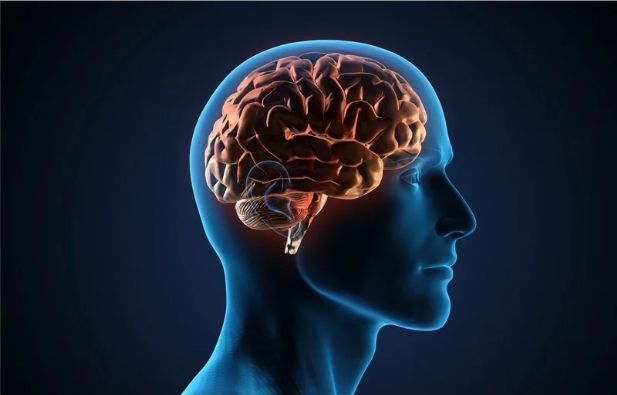
Nicotine interacts directly with nicotinic acetylcholine receptors (nAChRs), critical for learning, memory, mood, and neuronal communication. Chronic inflammation, toxicity, or systemic illness often downregulates these receptors, leading to sluggish cognition. Nicotine stimulates these receptors, enhancing neuronal firing, plasticity, and overall communication.
Nicotine’s Cognitive Benefits (supported by research mechanisms):
- Boosts alertness and attention
- May enhance memory retrieval
- Stimulates release of dopamine and acetylcholine
- Activates the cholinergic anti‑inflammatory pathway via the vagus nerve
- Supports cerebral blood flow and mitochondrial function [3][5]
While it doesn’t address underlying causes like nutrient deficiencies or toxicity, nicotine can temporarily jump‑start cognitive performance during the initial healing phase.
How Nicotine Works on the Brain
Let’s take a look at the specific pathways through which nicotine influences cognition:
1. Activation of nAChRs (Nicotinic Acetylcholine Receptors)
These receptors are widely distributed in the brain and regulate memory, attention, and wakefulness. Nicotine acts as a stimulant to enhance signal transmission between neurons.
2. Increased Dopamine and Serotonin
Nicotine promotes the release of feel-good neurotransmitters, improving motivation, pleasure, and mental drive—which are often depleted in fatigue or depression.
3. Vagus Nerve Stimulation
By activating cholinergic anti-inflammatory pathways, nicotine reduces brain and systemic inflammation, which is a major cause of cognitive dysfunction.
4. Improved Cerebral Blood Flow
Nicotine enhances oxygen delivery and nutrient supply to the brain, combating brain fog related to poor circulation or mitochondrial damage.
These mechanisms offer a functional rationale for why some patients with cognitive issues feel dramatically better while using a nicotine patch.
Why Nicotine Patches Are the Safest Delivery Option
There’s no question: smoking and vaping are harmful. These are filled with toxic and addictive chemicals. But nicotine itself, when isolated from tobacco and other chemicals, may be used safely and therapeutically.
Benefits of Nicotine Patches:
- Slow, steady delivery (no spikes in blood levels)
- No exposure to smoke or toxins
- Lower addiction potential than smoking, chewing, gum or vape
- Easy to dose and taper
- No odor or taste
Compared to:
- Smoking/Vaping: Delivers rapid nicotine hits, encouraging addiction and exposure to over 7,000 toxic chemicals including carcinogens.
- Chewing Tobacco or Gum: Increases the risk of gum disease, oral cancer, and fluctuating absorption rates
Patches are the cleanest and most controllable method for short-term therapeutic use—especially when supervised by a knowledgeable functional practitioner.
A Functional Approach to Nicotine Patch Use
In functional medicine, the goal is not to use nicotine as a lifelong solution, but as a transitional aid to improve neurological function while the body heals.
This means pairing the patch with root-cause protocols, including:
- Mitochondrial Support (CoQ10, PQQ, NAD)
- Hydration and Minerals (e.g., Complete Mineral Complex)
- Anti-Microbial Therapies for Lyme, mold, or viral reactivation
- Nervous System Regulation (vagus nerve exercises, chiropractic, breathwork)
- Anti-inflammatory nutrition
Suggested Use:
- Start with a low-dose patch (7mg or less)
- Start with a few hours per day, gradually increasing if tolerated
- Short-term use only (days to weeks) under practitioner guidance
Many users report better mornings, clearer thinking, and more energy with even partial-day use.
Download Dr Shawn’s eBook: The Chronic Pain Fix for a step-by-step guide to eliminate your symptoms, for good.
Addiction Risk: What the Research Says
This is the #1 concern most people have—and it’s a valid one. However, let’s separate facts from fear.
Evidence Shows:
- Non-smoking users on 7–14 mg patches for short durations rarely develop addiction
- Without behavioral rituals associated with smoking, dependence is unlikely
- Meta-analyses show no significant heart rate or blood pressure increases at therapeutic dosages [5]
Key Safety Tips:
- Avoid combining patches with gum, vape, or cigarettes
- Use only what’s needed, for the shortest effective duration
- Always pair with root-cause care and practitioner support
When used responsibly, under functional practitioner guidance, nicotine patches can offer neuro-enhancement with minimal risk.
Could Nicotine Improve Alzheimer’s?
This is where nicotine shows real promise. Several small trials in early Alzheimer’s and MCI have demonstrated:
- Better attention and working memory
- Reduced apathy and mental fatigue
- Improved overall cognitive function
- Few side effects and no addiction issues [1][3][4]
Researchers—including Dr. Paul Newhouse and Vanderbilt UMC—are now conducting large-scale trials (MIND study) to assess nicotine’s impact on structural brain changes, cognition, and disease progression [2]. While nicotine alone isn’t a cure, it may protect cholinergic neurons—some of the first affected in Alzheimer’s.
Explore Natural Solutions to Brain Fog and Fatigue
If you’re dealing with brain fog, low energy, or memory lapses—and nothing seems to help—it might be time to explore an innovative, science-backed approach.
At Recreated Health, we support individuals navigating complex chronic health conditions with functional protocols that get to the root cause—and sometimes that can include options like nicotine patches when appropriate.
Do you feel like this could help you but your not sure where to begin?
Download Dr Shawn’s eBook: The Chronic Pain Fix for a step-by-step guide to eliminate your symptoms, for good.
Book a consultation with Dr. Shawn Bladel to see if nicotine therapy is right for your case—and to receive a customized plan for restoring energy, focus, and cognitive health.
Conclusion: A Fresh Perspective on Brain Support
Nicotine patches may sound surprising as a cognitive enhancer—but the research, biology, and clinical experiences speak volumes. When used carefully and temporarily, they can unlock clarity, energy, and motivation for individuals struggling with brain fog, fatigue, or memory decline.
This isn’t about replacing foundational care—it’s about giving your brain the support it needs while deeper healing unfolds.
You deserve to think clearly, feel energized, and live fully—and Recreated Health is here to help you get there.