

By Dr. Shawn Bladel
Understanding Lyme Co-Infections: What They Are, Why They Happen, and How to Heal Naturally
By Dr. Shawn Bladel | July 13, 2025 | Recreated Health
The Overlooked Puzzle Pieces Behind Chronic Illness
When most people hear “Lyme disease,” they picture one infection from one tick bite. But the truth is much more complex. Lyme is rarely ever “just Lyme.” It’s usually a polymicrobial infection — meaning multiple pathogens are transmitted together and interact inside the body. These are called Lyme co-infections, and they are a major reason why so many people remain sick even after treatment.
If you’re dealing with fatigue, brain fog, chronic pain, anxiety, allergies, or even food sensitivities like Alpha-Gal Syndrome, there’s a good chance co-infections are part of the picture. At Recreated Health, we see them as the missing puzzle pieces that explain why symptoms persist — and why true healing requires more than antibiotics alone.
What Are Lyme Co-Infections?
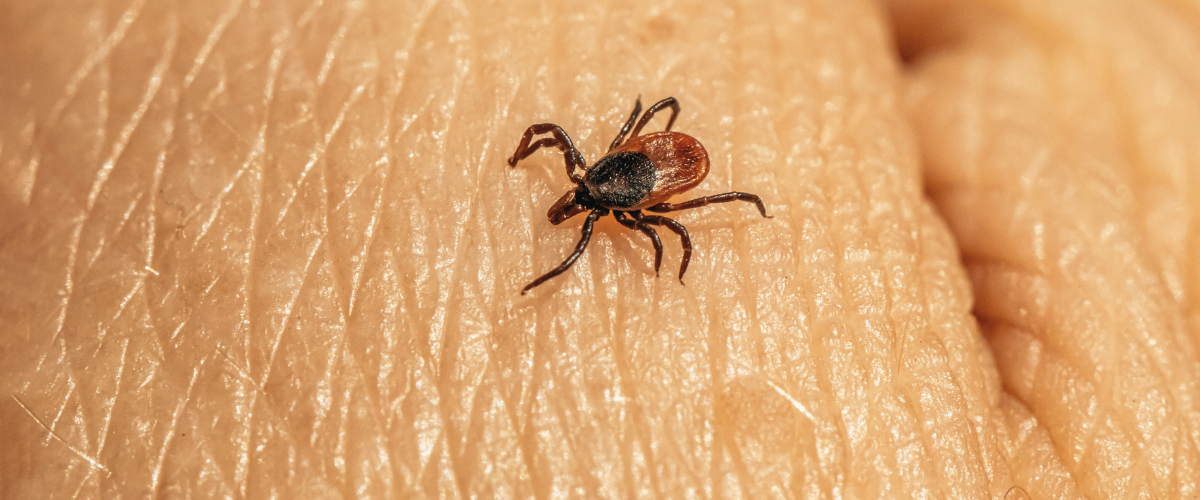
Ticks and other vectors (mosquitoes, fleas, mites, spiders) don’t just carry Borrelia burgdorferi, the bacteria that causes Lyme disease. They often carry multiple pathogens at once — bacteria, parasites, and viruses — and pass them all to you in a single bite [1][2].
Common Lyme Co-Infections Include:
- Babesia → malaria-like parasite causing night sweats, air hunger, chest pressure, neurological issues
- Bartonella → bacteria linked to nerve pain, anxiety, irritability, and striae-like rashes
- Ehrlichia and Anaplasma → bacteria that suppress white blood cells, cause fever, and liver inflammation
- Mycoplasma → bacteria affecting joints, lungs, and brain function
- Rickettsia → bacteria causing fevers and vascular inflammation
- Viruses → such as Epstein-Barr Virus (EBV) and HHV-6, which often reactivate when the immune system is suppressed [3]
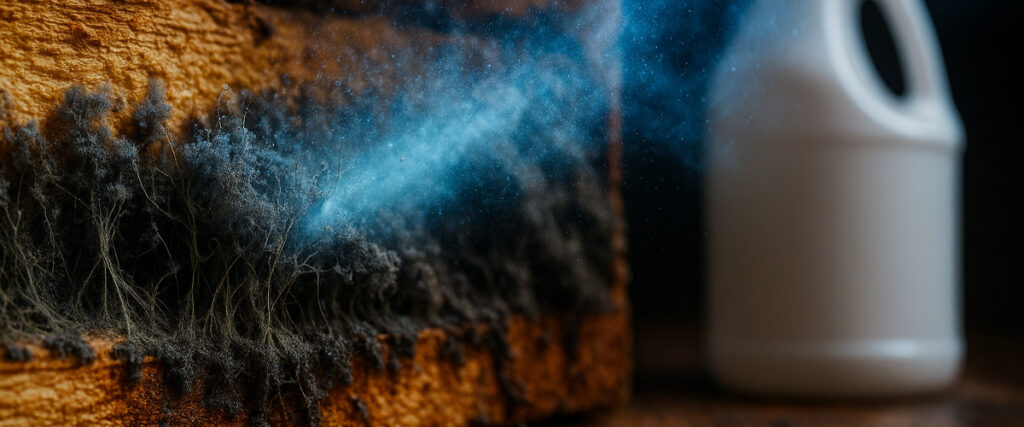
- Mold and mycotoxins → environmental toxins that worsen immune dysfunction and trigger histamine overload [4]
No two patients have the exact same mix of pathogens, which is why symptoms can vary so widely.
Why Do Co-Infections Happen?
Lyme bacteria (Borrelia) are immune-suppressing pathogens. Once they invade, they weaken your defenses, making it easier for other microbes — parasites, viruses, fungi, and bacteria — to thrive or reactivate [2][3].
Co-infections thrive in:
- Weakened immune systems
- Poor detox pathways
- Genetic differences in methylation and histamine processing
- Mold-rich or toxin-heavy environments [4][5]
This explains why antibiotics alone often fail — they target Borrelia but don’t address the other pathogens fueling chronic illness.
Mast Cell Activation Syndrome (MCAS) and Lyme
One overlooked complication of Lyme co-infections is Mast Cell Activation Syndrome (MCAS).
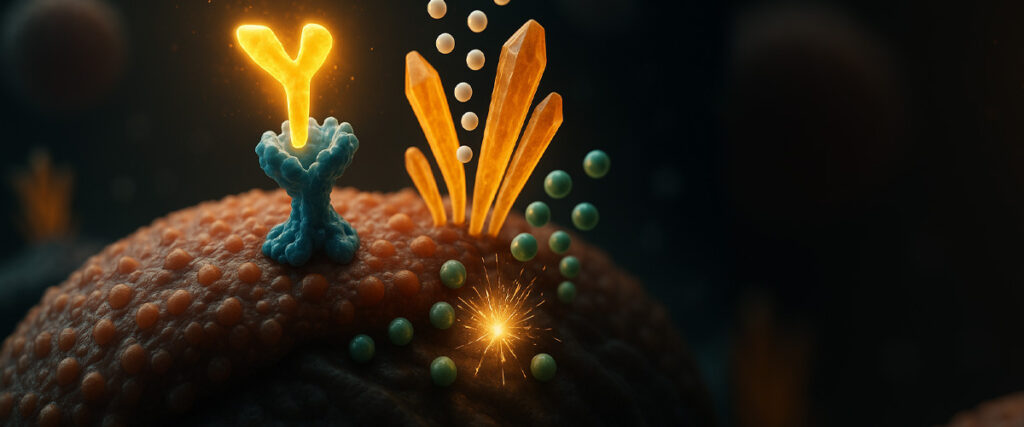
Mast cells normally protect you by releasing histamine in response to threats. But when Lyme and mold disrupt your system, mast cells become overactive — reacting to everyday foods, stress, or even your own body.
MCAS Symptoms Include:
- Skin rashes, hives, or itching
- Food and chemical sensitivities
- Flushing or overheating
- Shortness of breath, chest tightness
- Brain fog, anxiety, “wired but tired” feeling [6]
This constant histamine storm leaves the body inflamed and exhausted. At Recreated Health, we calm mast cells naturally with gut healing, liver and lymph support, nervous system retraining, and histamine-balancing nutrients.
Alpha-Gal Syndrome: The Tick-Bite Meat Allergy
Another co-infection-related condition is Alpha-Gal Syndrome (AGS). This happens when the Lone Star tick transmits a sugar molecule called alpha-gal (galactose-alpha-1,3-galactose). The immune system then reacts to mammalian foods like beef, pork, lamb, gelatin, dairy, and even certain medications.
Symptoms of Alpha-Gal Syndrome:
- Nausea, vomiting, diarrhea (3–6 hours after eating meat)
- Hives, itching, or swelling
- Anaphylaxis in severe cases
- Headaches, joint pain, or fatigue [7]
Because symptoms are delayed, AGS is often misdiagnosed as IBS, stress, or “getting older.” In reality, it’s a tick-triggered immune reaction that requires gut repair, immune balancing, and detox support to calm.
Testing for Lyme Co-Infections the Functional Way
Conventional Lyme tests (ELISA, Western blot) often miss active infections because they only look for antibodies. Functional medicine uses precision testing to get a complete picture:
- MSIDS Questionnaire → developed by Lyme specialists, screens symptom clusters
- Vibrant Lyme-TBRF Panel → detects Borrelia plus co-infections with higher accuracy
- Organic Acids Test (OAT) → shows mitochondrial stress, nutrient deficiencies, and microbial imbalance
- Mycotoxin testing → identifies mold toxins worsening immune load
- GI-MAP → assesses gut pathogens, parasites, and dysbiosis
- Histamine and mast cell markers → help confirm MCAS triggers [4][8]
This testing approach reveals the full burden on your body, so we can create a personalized plan — not just chase symptoms.
The Recreated Health Approach to Lyme & Co-Infections
Healing Lyme co-infections requires strategy and sequence. Here’s how I guide patients:
- Open drainage pathways → support lymph, liver, kidneys, and colon so toxins can exit
- Support mitochondria and minerals → boost energy production for cellular defense
- Calm mast cells & histamine storms → reduce MCAS reactivity before deeper detox
- Use binders and antimicrobials → remove toxins and target pathogens without overwhelming the system
- Rebuild the gut microbiome → restore balance with probiotics, prebiotics, and targeted nutrients
- Reduce inflammation & restore resilience → through nutrition, sleep, stress recovery, and lifestyle upgrades
This process doesn’t just fight infections — it rebuilds your terrain, making your body a place where health can thrive.
Ready to Get to the Root of Your Symptoms?
If you’ve been struggling with unexplained fatigue, anxiety, gut problems, or allergic reactions, Lyme co-infections could be the missing piece.
At Recreated Health, we use advanced testing and a proven healing sequence to uncover root causes and restore balance.
👉 Next Steps:
- 📘 Explore our Parasite Detox Blueprint eBook → Shop Here
- ⚡ Join the Energy Fix Course → Learn More
- 💬 Book a Root Cause Discovery Session with Dr. Shawn → Schedule Here
Healing is possible when you stop chasing symptoms and address the whole picture.
References
Horowitz RI. MSIDS Questionnaire: A tool for complex chronic illness. Int J Gen Med. 2017.
Krause PJ, et al. Tickborne infections in the United States. Clin Microbiol Rev. 2019.
Steere AC, et al. Post-treatment Lyme disease and co-infections. N Engl J Med. 2018.
Cox CJ. Viral reactivation in Lyme and co-infections. Front Immunol. 2020.
Shoemaker R, et al. Mold and mycotoxins in chronic illness. Toxins. 2020.
Fallon BA, et al. Neuropsychiatric Lyme and co-infections. Am J Psychiatry. 2017.
Afrin LB. Mast Cell Activation Syndrome: Emerging evidence and treatment strategies. Springer. 2020.
Commins SP, Platts-Mills TA. Alpha-gal syndrome: Meat allergy after tick bites. J Allergy Clin Immunol. 2013.