

By Dr. Shawn Bladel
The Ultimate Mold Discovery Checklist & Detox Guide: Create a Safer, Healthier Home for Your Family
By Shawn Bladel
Introduction: Why Mold Matters
Healing starts at home. Unfortunately, so does exposure to hidden toxins—and one of the most harmful is mold.
Whether you’re struggling with mysterious symptoms like fatigue, brain fog, or digestive issues—or simply want to create a clean, safe environment for your kids—this guide will walk you through how to detect, prevent, and detox mold in a safe, natural way.
Chapter 1: Why Mold Is So Dangerous to the Body
Mold isn’t just about sneezing or musty smells – it can trigger systemic issues with prolonged exposure. The toxic spores of mold (called mycotoxins) can suppress mitochondria and immune function, damage the beneficial bacteria in the GI tract, cause leaky gut, fuel the growth of pathogens (infections), strain detox pathways, and contribute to chronic symptoms like:
- Brain fog, headaches, or migraines
- Trigger mood issues, fatigue, and even hormonal imbalances
- Disrupt your gut microbiome and cause leaky gut which could lead to skin rashes, joint pain, anxiety, or depression
- Suppress immune and mitochondrial function, which could fuel chronic infections like EBV, Candida, or parasites
- Mold toxicity could also cause Lyme disease symptoms to flare up
Research shows mold can be misdiagnosed as:
– Autoimmune conditions
– Chronic fatigue syndrome
– Fibromyalgia
– ADHD in both kids and adults
Early detection is key to reducing the toxic load and helping your body shift into healing mode.

Chapter 2: The Mold Discovery Checklist (Easy Home Audit)
1. Visual Inspection – Start With Your Senses
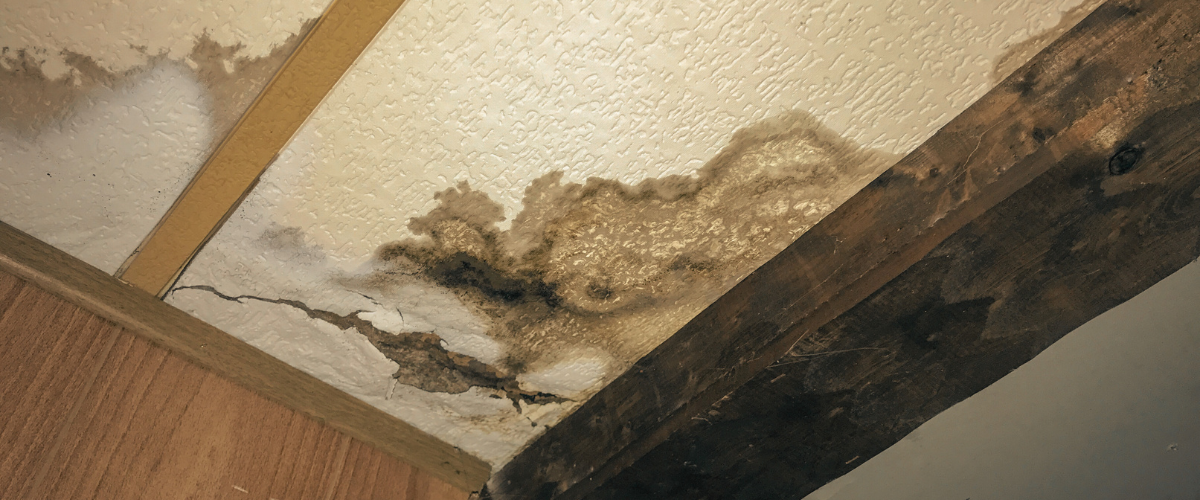
Walk through your home with fresh eyes. Mold can appear as discoloration, spots, or fuzzy growth in damp areas.
Check the following areas carefully:
- Around windows and sills
- Under sinks and behind toilets
- In closets with exterior walls or closets that share a wall with your bathroom
- Basement corners, crawl spaces, or sump pumps
- Attics, especially around vents and rooflines
- HVAC vents and around air return
- Don’t forget: summer humidity can cause condensation under your home that moistens floor joists and fuels mold growth.
Look for:
- Water stains
- Peeling or bubbling paint and wallpaper
- Soft spots or warped flooring
- Musty odors (often a giveaway even if mold isn’t visible)
Natural Tip: Use a moisture meter (widely available online) to test walls, floors, and ceilings for hidden dampness.
2. Check for Moisture Sources
Mold needs moisture to grow. Pinpoint any past or current water issues that could be contributing to mold growth. *Even after a leak has been fixed, you may still have mold growing from that previous exposure.
Key areas to assess:
- Leaky roofs or recent storm damage
- Plumbing under sinks, behind appliances, or in walls
- Bathrooms without ventilation fans – check attics around vent fans
- Overflowed bathtubs, sinks and toilets- check flooring and walls around this area
- Condensation buildup on windows, pipes or bathroom walls.
Natural Tip: Use a dehumidifier in high-moisture rooms like basements, and make sure to ventilate bathrooms after every use.
3. HVAC and Air Quality Concerns
Mold spores can hide in HVAC systems and be circulated throughout your home.
- Open vents and look for black or green buildup
- Inspect the drip pan and condensation line for mold growth
- Check your air filters and change them regularly- Have additional air purifiers with HEPA filters in each room.
- Have your ductwork cleaned each fall by an HVAC specialist to ensure the removal of toxic buildup and debris. This is especially important before winter sets in, when you will spend more time indoors.
Natural Tip: Essential oils like clove, eucalyptus, or tea tree can be diffused to support natural air purification. Adding houseplants to purify your air is also beneficial – some examples are: Peace Lily, English Ivy, Spider Plant, Boston Fern, Areca Palm, Snake Plant, and Bamboo Palm.
4. Use Mold Testing Options
When visual inspection isn’t enough, testing can give you a clearer picture of mold levels in your home.
Home Test Kits:
- DIY kits like Petri dish tests can sometimes show the presence of airborne mold spores.
Professional Testing:
- ERMI (Environmental Relative Moldiness Index): Measures DNA of mold species in dust samples.
- HERTSMI-2: A simplified version of ERMI, used to assess mold danger based on certain toxic molds.
5. Personal Health Testing
At Recreated Health, we offer a urine mycotoxin test to measure mold toxins stored in your body. This can be crucial for those dealing with chronic symptoms. This simple test can be easily completed at home with a urine sample.
When to Call in the Pros
While DIY inspection is a great start, professional mold inspectors and remediators have tools like infrared cameras, borescopes, and particle counters that detect what you can’t see.
Certified mold inspectors can:
- Identify hidden leaks or water damage
- Pinpoint mold types and concentrations
- Recommend targeted remediation
Look for professionals certified through:
- IICRC (Institute of Inspection Cleaning and Restoration Certification)
- NORMI (National Organization of Remediators and Mold Inspectors)
Chapter 3: Natural Mold Cleaning Tips
Small Area Cleaning (Less Than 10 Sq Ft)
If you discover minor surface mold:
Natural Cleaning Options:
- White vinegar: Spray full-strength on mold, let sit, and scrub.
- Hydrogen peroxide (3%): Kills mold and disinfects.
- Essential oils: Add 10-20 drops of clove or tea tree oil to vinegar for added antifungal power.
Never: Mix vinegar and hydrogen peroxide can create harmful fumes when combined. Or use bleach on mold as it can feed the mold and make the problem worse in the long run.
Remember: Always wear protective clothing, mask and eye wear while cleaning mold and this process and release spores into the air. Always spray mold with your desired cleaner first to ensure it’s all wet before wiping the area clean. Always discard cleaning materials used on mold as this can spread mold when using in other areas.
Additional Tip: When cleaning mold, make sure you have a HEPA air purifier nearby to help decrease the amount of mold spores that get released into the air.
When to Avoid DIY Cleaning:
- Mold covers more than 10 square feet
- It’s inside HVAC systems or ductwork
- You or a family member is mold-sensitive or immunocompromised
The Importance of Remediation
Mold removal isn’t just about cleaning the surface—it’s about removing moisture sources and contaminated materials.
Key principles of mold remediation:
- Fix the water problem first
- Remove porous materials like drywall, frame work or carpet that are mold-infested
- Use air scrubbers or HEPA filters and purifiers to capture airborne spores
At Recreated Health, we recommend using mold remediation services that avoid harsh chemicals and prioritize eco-friendly, non-toxic methods, ensuring full penetration of porous surfaces to ensure regrowth will not happen.
Chapter 4: Mold-Safe Living Habits for Families
Long-Term Prevention Tips:
- Run dehumidifiers to maintain indoor humidity below 50%
- Use exhaust fans in kitchens and bathrooms
- Filter your air with a HEPA purifier
- Regularly clean gutters, inspect the roof and basements after large rainfalls
- Store items in plastic bins instead of cardboard in damp areas
Air-Purifying Plants That Help Fight Mold:
Consider adding these plants throughout your home to assist in reducing mold spore levels.
- Peace Lily (Spathiphyllum) – Excellent at removing airborne mold spores, also filters benzene, formaldehyde, and trichloroethylene, loves humidity—perfect for bathrooms.
- English Ivy (Hedera helix) – Studies show it can reduce airborne mold by up to 78%, easy to grow in hanging baskets or pots, be cautious—can be toxic to pets.
- Spider Plant (Chlorophytum comosum) – Removes mold and allergens from the air, great for people with respiratory sensitivity, low maintenance and kid/pet-safe.
- Boston Fern (Nephrolepis exaltata) – Thrives in moist, humid conditions—ideal for mold-prone areas, known to reduce formaldehyde and airborne spores.
- Areca Palm (Dypsis lutescens) – Natural humidifier that helps balance moisture levels, reduces airborne toxins and mold development.
- Snake Plant (Sansevieria trifasciata) – Filters airborne toxins and adds oxygen to the room at night, hardy and drought-resistant.
- Bamboo Palm (Chamaedorea seifrizii) – Helps remove airborne mold and formaldehyde, adds moisture to dry indoor environments, balancing humidity naturally.
Chapter 5: How to Detox Mold from the Body
Even after removing the source, mycotoxins can stay stored in your body—especially in fat cells, sinuses, and tissues.
At Recreated Health, we use a proven 3-phase strategy for mold detox:
1. Drainage Support
Before detoxing mold and mycotoxins, always support drainage first. This is the process of opening drainage pathways to avoid toxin recirculation and reabsorption. Here are the top products we recommend for the initial drainage process:
- Digestive Enzymes (for bile support and upper GI clearance)
- KL Support (for liver and kidney drainage)
- Bowel Mover (supports clearance of stored toxins and regular bowel movements to prepare for detox)
2. Mitochondria Rebuilding
Mold damages mitochondria and reduces cellular energy (ATP production), which is essential for detoxification. Here are the best supports to rebuild mitochondria:
- BC ATP
- MitoActive
3. Toxin Binding
In order to safely and effectively bind and eliminate stored mycotoxins during the drainage and detoxification process, mineral-based binders are essential. Here are our top picks:
- Biotoxin Binder
- Carboxy (strongest binder for mold toxicity. This product should be used after taking Biotoxin Binder for at least 6-8 weeks)
4. Whole-Body Detox
Rebuild your gut, immune system, and hormones as the body clears mold and mycotoxins.
- GI Revive (gut repair)
- Core Nutrients (liver, kidney, minerals, and detox support)
- Para Kit (for complete detoxification)
Your Next Step Toward a Healthier Home
Discovering mold in your home can feel overwhelming, but it’s also empowering. When you know where to look and how to act, you can reclaim control over your environment—and your wellness.
Ready to Take Action?
At Recreated Health, we’re here to support you with:
- Professional-grade mycotoxin testing https://www.recreatedhealth.com/products/mycotox-profile?_pos=3&_sid=60e073a38&_ss=r
- Detox protocols using natural binders and drainage support (products and links in the sections above)
- Personalized consultations to address mold-related symptoms https://www.recreatedhealth.com/pages/become-a-patient
Your body is created to thrive—let us help you clear the path. Recreate your health by taking control now!