

By Dr. Shawn Bladel
Why Cutting Dairy May Be the Missing Link in Healing Fatigue, Chronic Skin Issues, and Autoimmunity
By Dr. Shawn Bladel | July 7, 2025 | Recreated Health
Why Dairy Is a Hidden Roadblock to Healing
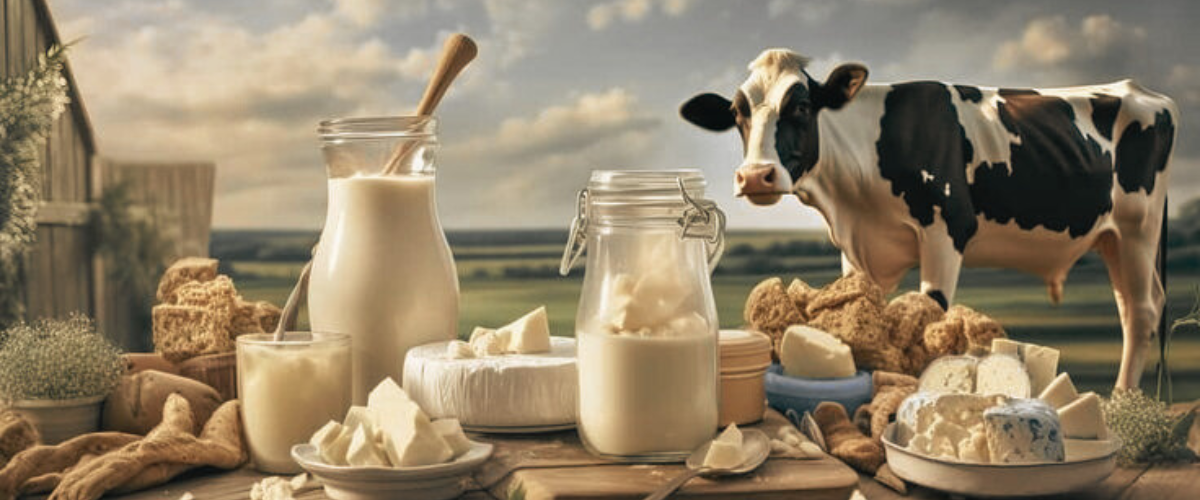
Dairy may be one of the most culturally celebrated foods in the Western diet, but for many people, it’s one of the most inflammatory, hormone-disrupting, and immune-suppressing ingredients in their daily lives.
The truth is, you don’t need to be “lactose intolerant” to react negatively to dairy. Most reactions aren’t digestive—they’re immune-based and systemic.
Let’s break down why removing dairy can be the missing key to healing your gut, skin, hormones, mitochondria, and immune system.
It’s Not Just Intolerance—It’s an Immune Attack
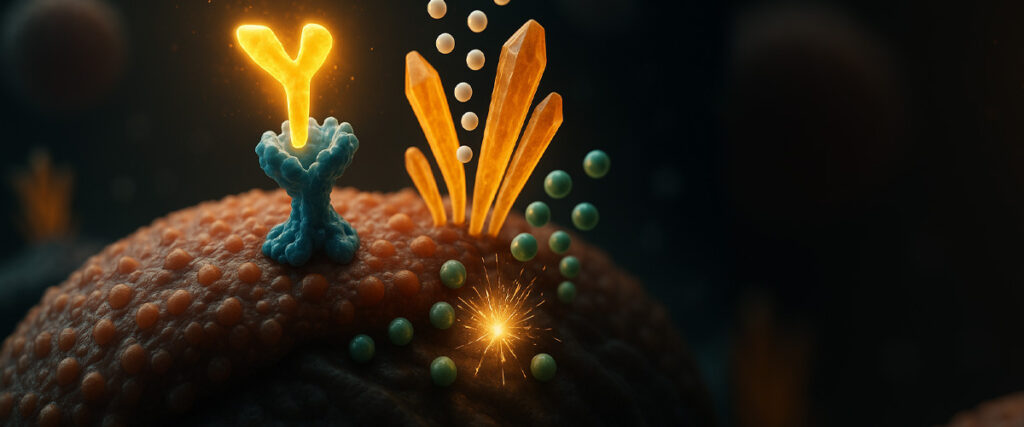
Cow’s milk contains A1 casein, a protein shown to increase mucus production, digestive inflammation, and immune dysregulation in susceptible individuals [1].
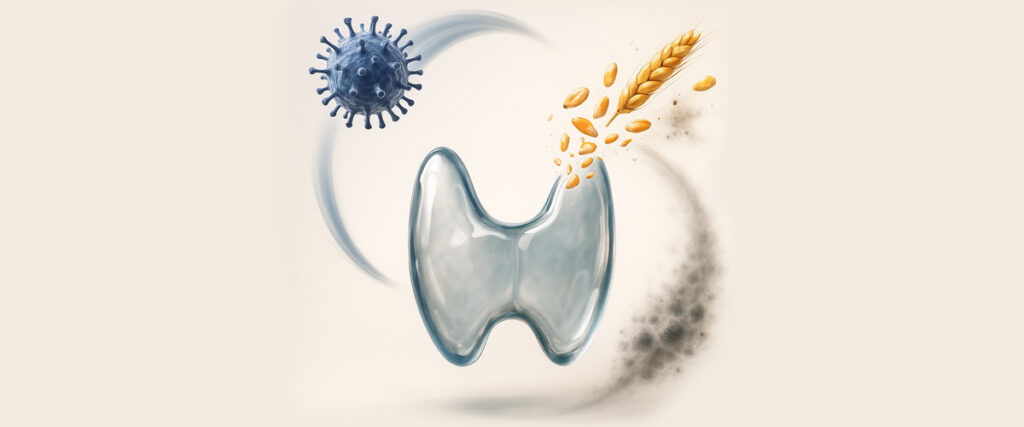
But the real issue is immune cross-reactivity. The proteins in cow’s milk can mimic other tissues in the body—especially thyroid, pancreas, and joint tissue—triggering an autoimmune cascade in genetically sensitive individuals.
This is known as molecular mimicry, and it’s a well-documented driver of chronic autoimmunity, Hashimoto’s, and even joint inflammation. [5]
Dairy Feeds Pathogens and Blocks Detox Pathways
In our functional medicine approach, we often find that dairy proteins feed yeast, parasites, and bacteria, especially in those with:
- Leaky gut
- Candida or SIBO
- Viral reactivations (EBV, HSV, CMV)
- Chronic acne or eczema
When you consume dairy, especially low-quality, pasteurized dairy:
- It feeds gut pathogens
- Slows down lymphatic drainage
- Increases mucus and waste congestion
- Suppresses bile flow and detox function
That means toxins stay trapped longer, and your mitochondria suffer.
Learn how to clear these toxins in our Mitochondrial Blueprint and Immune System Blueprint.
Antibiotics in Dairy: A Gut-Disrupting Threat to Your Microbiome
Most commercial dairy cows are raised in confined operations where infections are common. To prevent disease and increase milk production, cows are often treated with antibiotics, including:
- Tetracyclines
- Sulfonamides
- Penicillin derivatives
Even though “maximum residue limits” are in place, studies show that traces of these antibiotics still make it into milk and dairy products, especially imported cheeses and yogurts [6].
These antibiotics can:
- Disrupt your child’s gut flora
- Promote resistant bacteria
- Alter immune signaling
- Worsen fungal overgrowth and digestive issues
If you’re trying to rebuild the microbiome, consuming antibiotic-laced dairy is like taking two steps forward and three steps back.
What Happens When You Remove Dairy
1. Clearer Skin
Multiple studies confirm a connection between dairy and acne due to hormones (like IGF-1) and inflammatory proteins in milk [2].
Our patients often report:
- Fewer cystic breakouts
- Less facial redness or rosacea
- Eczema flares calming within 2–3 weeks
2. Better Gut Health and Less Bloating
Dairy can worsen:
- IBS
- Gas and diarrhea
- Candida
- Reflux
Removing it reduces gut permeability and allows the gut lining to heal.
3. Reduced Inflammation and Autoimmune Flares
Because of its cross-reactive proteins and antibiotic residues, dairy can trigger inflammation throughout the:
- Joints
- Thyroid
- Brain (brain fog)
- Skin
One 2022 study confirmed that cow’s milk antigens can trigger systemic inflammation and worsen autoimmune diseases like type 1 diabetes and rheumatoid arthritis [7].
4. Improved Hormone Balance
Dairy contains growth hormones (rBGH) and estrogens that can worsen:
- PMS
- Acne
- Breast tenderness
- PCOS symptoms
It also affects blood sugar by stimulating insulin and IGF-1.
5. More Emotional Stability and Energy
Dairy causes inflammation in the gut—and your gut is where 90–95% of serotonin is made.
Removing dairy can improve:
- Mood swings
- Brain fog
- Fatigue
- Focus and clarity
What About Goat or Sheep Milk?
Goat and sheep milk contain A2 beta-casein, which may be better tolerated by some—but cross-reactions are still possible.
We’ve seen patients react to:
- Goat milk
- Almond milk
- Coconut milk (due to mold, additives, or IgG responses)
That’s why we recommend Food Allergy Finger Prick Testing to identify your specific immune reactions.
Order your Food Allergy Test Kit here
Final Thoughts: Your Body Wasn’t Made for Cow’s Milk
Cow’s milk is meant to grow a 2,000 lb calf—fast. It’s packed with growth hormones and inflammatory proteins that many adult human bodies cannot process.
If you’re dealing with:
- Autoimmunity
- Gut issues
- Skin problems
- Hormonal imbalances
- Chronic fatigue
…then dairy may be one of the most powerful things you remove to reduce immune stress and heal the terrain.
Take the Next Step:
- Order Your Food Allergy Finger Prick Test Kit
- Download the Immune System Blueprint
- Download the Mitochondrial Blueprint
- Shop gut-healing bundles and low-inflammatory lifestyle tools