


By Dr. Shawn Bladel
Signs of Parasite Infections
Summary:
Version 1.0.1 – This guide will be updated as new research and clinical insights are released. Parasite infections are more common than most people realize, but their symptoms are often missed because they rarely look “textbook.” Instead, they tend to show up as vague, frustrating patterns that mimic food sensitivities, histamine issues, fatigue, skin problems, mood changes, and nutrient imbalances.
This page breaks down the most common symptom clusters, why standard testing often falls short, and how to think about parasites as a possible root contributor – without assuming they are the only cause.
In this guide, you’ll learn:
- Why parasite symptoms are often misdiagnosed or dismissed
- The most common symptom patterns (digestive, fatigue, immune, neurological, skin, nutrient)
- Why some people don’t improve even after diets, supplements, or medications
- What to do next if this sounds like you
Next step: Read Dr. Shawn’s Parasite Cleanse Protocol (free) and learn more about recreating your health. You can also learn more about Parasite Cleanse Symptoms and the DIY Parasite Cleanse.

Parasite Infections Are More Common Than Most People Realize

Parasites are often associated with extreme cases, poor sanitation, or foreign travel, and while those situations can obviously increase risk, they represent only a fraction of real-world exposure.
Parasites exist globally and are encountered through food, water, animals, soil, produce, undercooked meat, and even person-to-person contact. What makes modern parasite infections difficult to recognize is their sneaky ability to adapt to different environments within our body.

Many parasites have evolved to survive quietly inside the human body by altering our immune system, interfering with digestion, blocking our bile ducts, reducing the effectiveness of our liver, and stealing our nutrients without triggering acute illness. Instead of causing dramatic symptoms, these unwanted houseguests contribute to long-term chronic health conditions that develop slowly over time. This is why so many people struggle for years without clear answers.
Why Parasite Symptoms Rarely Look “Textbook”
Parasites are not passive occupants. They actively interact with the host’s immune system, GI tract, nervous system, and hormones. Research shows that many parasites can down-regulate immune detection and alter inflammatory signaling to prolong survival [1].

As a result, the body does not respond with an obvious infection pattern. Instead, subtle imbalances accumulate. This can show up with food cravings, constipation, bloating, gas, anemia, an inability to make enough thyroid hormone, weight gain, hair loss, and mood swings. Did I mention fatigue and brain fog! That is one of the more common symptoms seen with parasite infections.
Rather than a single defining symptom, people can experience symptoms all over the body that don’t necessarily fit into a certain diagnosis or category. And, these various symptoms can worsen or fluctuate based on your stress levels from week to week. This is what often leads to so many people being misdiagnosed or dismissed altogether.
Digestive Symptoms: The Most Common and Yet Most Misunderstood Clues to the Puzzle
The gastrointestinal tract is typically the first system affected by parasites, yet the symptoms are rarely straightforward.
Parasites disrupt digestion by:
- interfering with enzyme activity
- impairing stomach acid production
- altering gut motility
- contributing to biofilm and mucus imbalance

Low stomach acid alone reduces protein digestion, weakens antimicrobial defense, and limits mineral absorption, especially iron, zinc, magnesium, and B vitamins [2]. This creates a downstream cascade of symptoms that extend far beyond the gut.
People may experience bloating, gas, alternating constipation and loose stools, abdominal discomfort, or a sense that digestion is not quite right, but without clear triggers or visible signs to confirm anything. Elimination diets may help temporarily, but symptoms often return because the underlying root cause remains.
This is one reason parasites are frequently mistaken for IBS, food sensitivities, SIBO, SIFO, or other stress-related gut issues. The problem here is that the above side effects I just mentioned are just that, side effects, not root causes and yet, many people have been treated for these issues for years with no lasting results.
Fatigue and Low Energy: A Mitochondrial Problem at Its Core

Chronic fatigue is one of the most overlooked signs of parasite involvement. Parasites place ongoing demand on the body by stealing the nutrients you consume, weakening your mitochondria and immune response, and creating ongoing inflammatory responses.
Parasites are well aware you need energy to detox, which is why they target your mitochondria. Mitochondria are responsible for energy generation in every cell. Chronic infections and inflammatory stress have been shown to impair mitochondrial function, reducing energy output and increasing oxidative stress [3].
This explains why parasite-related fatigue:
- does not improve with getting more sleep
- worsens after meals or detox attempts
- fluctuates unpredictably from day to day and week to week
- coexists with brain fog and poor concentration
Without addressing parasitic burden, energy-support supplements alone rarely resolve the issue.

Immune Dysfunction
Parasites have a unique relationship with the immune system. Many species actively manipulate immune signaling to avoid detection, often skewing the immune response toward tolerance rather than clearance [4]. This can result in frequent infections, and poor recovery from those illnesses, allergy reactions, and histamine intolerance.

Eosinophils are often discussed in relation to parasites, but normal eosinophil levels do not rule out infection. Chronic parasitic exposure can suppress classic immune markers, making lab interpretation more complex. This immune confusion contributes to autoimmune-like symptoms and chronic inflammatory conditions that fail to respond to standard treatments.
Skin, Mood, and Neurological Symptoms
When parasites disrupt nutrient absorption and detox pathways, the effects extend into the nervous system and skin.
Skin issues such as rashes, itching, eczema, acne, or unexplained irritation often reflect immune activation and toxin recirculation. Similarly, inflammation affecting neurotransmitter balance can contribute to anxiety, irritability, low mood, or restlessness [5].

Iron, Ferritin, and Nutrient Imbalances
Parasites also interfere with nutrient metabolism. Some individuals develop low iron or ferritin due to parasitic competition and malabsorption. Others show elevated ferritin, which may reflect inflammatory signaling rather than healthy iron stores [6].
Mineral deficiencies such as magnesium, zinc, and selenium can further impair detox enzymes, immune function, and mitochondrial efficiency, creating a vicious cycle. This paradox confuses both patients and practitioners and often leads to inappropriate supplementation that worsens symptoms.
Why Standard Testing Misses the Bigger Picture
Many people assume that parasite infections can be easily ruled out with a single stool test or basic lab work. Unfortunately, modern testing protocols were not designed to detect chronic, low-burden, or adaptive parasite infections, which are the most common patterns seen today.
One major limitation is shedding variability. Many parasites do not shed eggs, cysts, or detectable fragments consistently. Instead, shedding can occur intermittently, meaning a single stool sample may completely miss an active infection. Even multi-day stool collections improve detection only modestly and still fail to capture parasites that are dormant, encysted, or residing outside the GI tract.
Another challenge is parasite life cycle complexity. Parasites exist in multiple stages, some of which are not easily detectable by conventional microscopy or molecular testing. Certain stages may embed within biofilm, mucus layers, or intestinal tissue, making them invisible to tests that rely on free-floating organisms in stool.
Additionally, many parasites are capable of suppressing inflammatory markers on labwork that would normally raise suspicion. This means standard blood work may appear “normal,” even when parasitic burden is contributing to symptoms. Eosinophils, often associated with parasites, are frequently within range in chronic cases and should not be used as a sole screening tool.
Additionally, with certain labwork, comprehensive parasite and stool testing (including GI Map 360) is often not considered medically necessary under current insurance models. As a result, many individuals never receive deeper evaluation unless they pursue functional testing independently. This leaves a significant gap between clinical symptoms and diagnostic confirmation.
Because of these limitations, parasite involvement is frequently identified through pattern recognition rather than a single test result. A person’s symptom history, health assessments, response to stress or detox, food sensitivities and intolerances, immune response, and overall healing resistance often provide more meaningful clues than isolated labs.
Testing can be a helpful tool, but it should be viewed as supportive, not definitive. From my 20 years of clinical experience, helping people from all over the world, I can tell you that your body’s response to a properly structured cleanse provides clearer insight than most testing alone. This is why a comprehensive parasite cleanse protocol focuses not only on identification and reduction of root causes, but on supporting the body’s ability to clear what testing may never fully capture.
Parasites as a Root Cause, Not the Only Cause
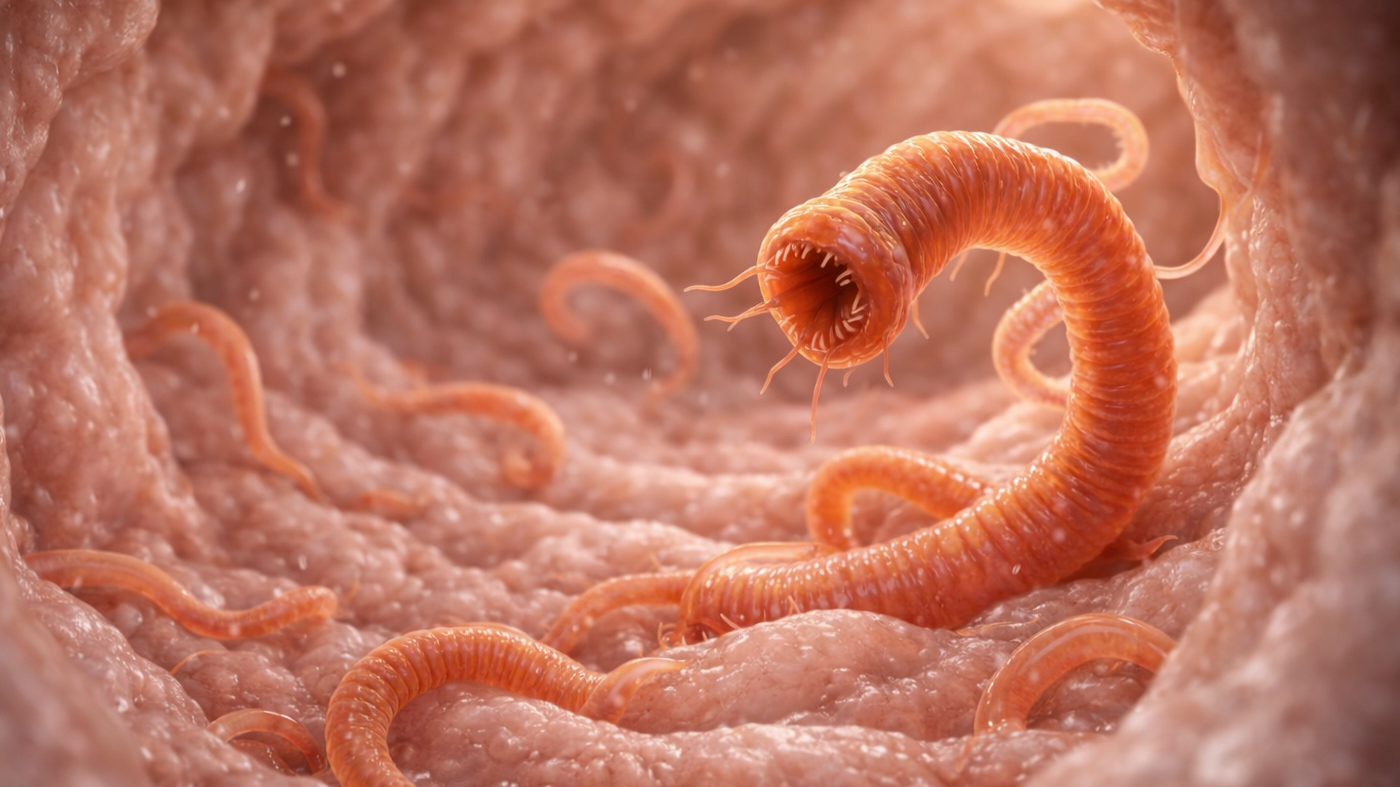
Parasites rarely exist in isolation. They thrive in environments where the internal terrain has become overwhelmed and suppressed by environmental toxins and pathogens.
In a healthy body, low-level exposure to parasites is often managed quietly by the immune system and mitochondria as well as your microbiome, bile flow, and detox pathways. The body was designed to encounter microbes and clear them efficiently. Problems arise when those systems can no longer keep up.
Modern life places an unprecedented toxic and metabolic load on the human body. Poor diet, chronic stress, and environmental exposures gradually shift the internal terrain in a way that favors parasitic survival.
Highly processed foods, excess sugar, alcohol, inflammatory seed oils, and also medication use, damage the gut microbiome, stress the immune system, and mitochondria. Environmental toxins such as heavy metals, mold and mycotoxins, pesticides, plastics, and air pollutants add to gut dysfunction, and the liver’s detox burden. Over time, this toxic load slows elimination pathways and weakens the body’s ability to maintain balance.
At the cellular level, mitochondrial damage plays a central role. Mitochondria are responsible for producing the energy required for immune surveillance, detoxification, tissue repair, and cellular turnover. When mitochondrial function is impaired by chronic inflammation, nutrient deficiencies, or toxic exposure, the body loses the energy needed to control pathogens.
An imbalanced immune response also worsens the problem. Parasites are fully capable of creating a suppressed immune system, which allows them and other infections to gain a foothold in the body leaving you stressed and vulnerable to further health issues.
Another thought on this pathogen. Parasites are not always the original root cause in your body, but once they gain a foothold inside, they can become an amplifying factor further draining your nutrients, disrupting your digestion and drainage, and creating a domino effect that could lead to future imbalance symptoms and disease.
This is why many people address diet, hormones, gut health, or inflammation without seeing lasting improvement. If parasitic burden is contributing to the toxic load, the body remains stuck in a defensive state, unable to fully heal.
Understanding parasites as part of a broader terrain problem changes the approach entirely. The goal is not to aggressively eliminate organisms in isolation, but to restore the internal environmentso the body can once again do what it was designed to do, which is to eliminate toxic and pathogenic threats. This perspective sets the stage for why cleansing matters, but also why it must be done in the right order, and with adequate support.
Cleansing Is Critical, But Must Be Done Correctly
Once the internal terrain becomes burdened by toxins, inflammation, mitochondrial dysfunction, and immune imbalance, the body’s natural ability to regulate parasites begins to break down.

This is where cleansing becomes critical as parasites don’t just hang out passively inside your body. They actively contribute to ongoing dysfunction in order to survive. They have to eat too! Therefore, they slow down your digestion and metabolism in order to feast on your nutrients longer. They block bile ducts and liver function so you can no longer detox efficiently. They also affect your energy, mood, and mental capacity so you have no desire to get up and exercise. Left unaddressed, this creates a state where healing stalls, no matter how clean the diet is or how many supportive therapies are added.
Therefore, cleansing is not just about killing something off with the most potent herb or medical treatment. It’s about restoring balance back to your body so your internal terrain can take care of itself.
When parasite load is reduced appropriately, several important things happen simultaneously: inflammation reduces, nutrient absorption improves, immune signaling begins to normalize, and mitochondrial energy improves. This shift allows other organ systems in your body to heal as well.
The problem is that many people attempt cleansing without first supporting the systems required to handle it. If detox pathways are congested, your constipated, bile is sluggish, stomach acid or minerals are low, mitochondria are depleted, or the immune system is imbalanced, cleansing becomes another stressor rather than a solution. In this state, people often experience worsening symptoms and assume parasites were never part of the problem, when in reality the timing and support during their cleanse was not properly structured.
A correctly designed cleanse does not overwhelm the body, instead it works with it. It supports digestion and bile flow first, ensures elimination is moving, protects cellular energy, and introduces parasite-directed support in stages. Just as importantly, it includes a rebuilding phase to stabilize the system afterward. When cleansing is done this way, it puts the body back in the driver’s seat. Understanding this distinction is essential, because parasites often sit at the crossroads of multiple chronic issues. Addressing them at the right time, in the right way, can unlock progress that previously felt impossible. Addressing them incorrectly can reinforce the cycle of inflammation, fatigue, gut and immune system imbalance, and future health risk. This is why a structured, physiology-based approach to parasite cleansing matters, and why having a clear cleansing framework to follow is so important.
Where The Parasite Fix Fits In
The Parasite Fix was created to guide individuals through parasite cleansing in a way that respects physiology rather than fighting it.
The comprehensive eBook outlines:
- your parasite risk assessment
- how to identify your body’s readiness for detox
- how to identify the pace and dosing during your detox
- how to eat and hydrate to achieve optimal healing
- how to minimize detox reactions
- and how to rebuild for long-term stability
This method is based on 20 years of clinical, functional experience helping people battling chronic infections and detox issues.
Are you tired of battling never-ending symptoms and not getting the answers or solutions you’re looking for? This eBook will be your guide to laying the foundation for not only safe and effective detox, but long-term healing from chronic, inflammatory triggers.
The Parasite Cleanse Protocol
Read Dr. Shawn’s Parasite Cleanse Protocol (free) and learn more about how The Parasite Fix can help you recreate your health.

Personalized Support When Needed
For complex or long-standing cases, individualized guidance can improve outcomes and reduce risk.
References
[1] Maizels RM, Yazdanbakhsh M. Immune regulation by helminth parasites. Nat Rev Immunol.
[2] Heidelbaugh JJ. Hypochlorhydria and digestive dysfunction. Am Fam Physician.
[3] Picard M et al. Mitochondrial dysfunction and chronic inflammatory disease. Nat Rev Immunol.
[4] Rook GAW. Immune modulation by chronic infections. Clin Exp Immunol.
[5] Dantzer R et al. Inflammation and neuropsychiatric symptoms. Nat Rev Neurosci.
[6] Ganz T, Nemeth E. Iron metabolism and inflammation. Nat Rev Immunol.