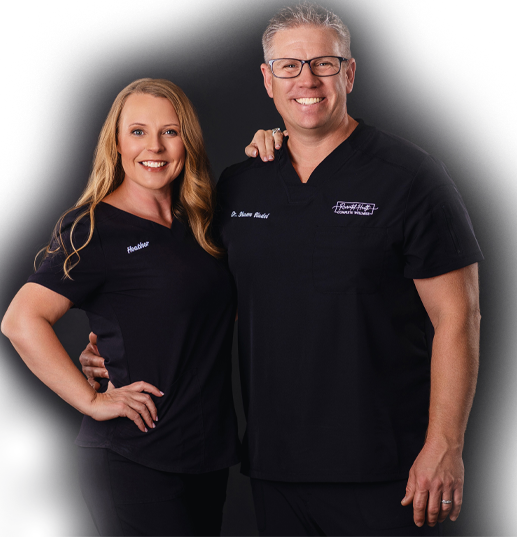


By Dr. Shawn Bladel
Why Antibiotics Aren’t Enough: A Functional Medicine Approach to Lyme Recovery
By Dr. Shawn Bladel | July 29, 2025 | Recreated Health
Lyme disease has become one of the most misunderstood and mismanaged chronic illnesses in the modern world. Caused by the Borrelia burgdorferi bacterium, it is most commonly transmitted through tick bites, although evidence suggests other vectors—mosquitoes, mites, mother-to-fetal transfer, and even sexual contact—may also be possible routes of transmission [1][2].
Lyme disease often begins with flu-like symptoms, a rash, or fatigue. Unfortunately, it doesn’t always end there. For many, Lyme lingers—despite rounds of antibiotics—transforming into debilitating chronic symptoms such as fatigue, brain fog, joint pain, and neurological disturbances [3].
While conventional medicine leans heavily on antibiotics as the first (and often only) line of defense, the truth is far more complex. Antibiotics may eliminate the immediate bacterial threat, but they often fall short of providing complete and lasting recovery. That’s where functional medicine steps in—offering a broader, root-cause-focused strategy to restore balance, rebuild the body, and reclaim wellness.
The Limitations of Antibiotics
Antibiotics like doxycycline or amoxicillin are often prescribed early in Lyme disease treatment—and they can be partially effective if caught in the acute phase [4]. However, many patients don’t receive an early diagnosis. They may not recall a tick bite or develop the hallmark “bullseye” rash. By the time Lyme is identified, the infection has often gone systemic.
Here’s why antibiotics alone fall short:
- Biofilm Formation: Borrelia is a stealthy pathogen. It can encase itself in biofilms—a protective layer that makes it harder for antibiotics to penetrate [5].
- Cystic Forms: Under threat, Borrelia can shift into dormant, cyst-like forms, effectively “hiding” from antibiotics [6].
- Co-Infections: Ticks often carry more than just Lyme. Babesia, Bartonella, Ehrlichia, and Mycoplasma are common co-infections that don’t always respond to standard antibiotics [7][8].
- Immune System Suppression: Chronic Lyme suppresses immune defenses, leaving the body vulnerable even after treatment [9].
- Microbiome Disruption: Prolonged antibiotic use damages the gut microbiome—essential for immunity, detoxification, and overall health [10]. Typical Lyme antibiotic protocols last 20–30 days of daily or twice-daily treatment, often creating microbiome imbalances.
Potential Side Effects of Long-Term Antibiotic Use
- Gut dysbiosis
- Candida overgrowth
- Liver stress
- Nutrient deficiencies (especially B vitamins and magnesium)
- Mitochondrial toxicity [11]
- Antibiotic resistance
Antibiotics may address part of the problem, but true healing requires restoration. This is where functional medicine shines.
Mitochondrial Repair: The Engine of Healing
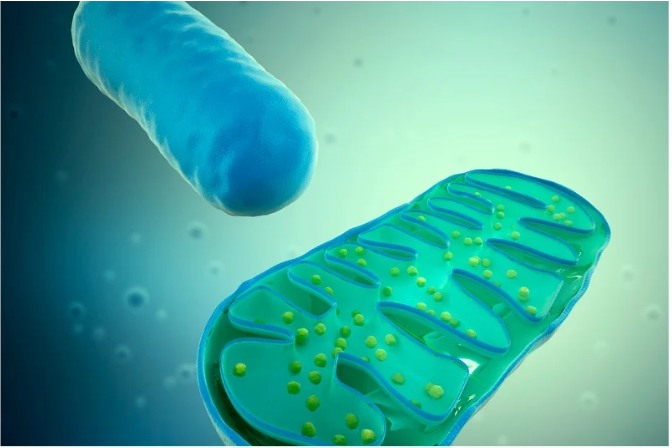
Chronic fatigue is one of the most common lingering symptoms of Lyme. A major culprit? Damaged mitochondria.
Mitochondria are the powerhouses of our cells, producing ATP—the body’s energy currency. Lyme pathogens, toxins, inflammation, and oxidative stress can impair mitochondrial function, leading to fatigue, brain fog, and muscle pain [12][13].
How to Support Mitochondrial Health:
- CoQ10 and PQQ: Boost energy production and protect against oxidative damage.
- NAD+ Precursors (NMN or NR): Enhance repair and function.
- Magnesium: Critical for ATP production.
- Antioxidants: Glutathione, vitamin C, alpha-lipoic acid reduce oxidative stress.
👉 Recreated Health Recommends:
CellCore MitoActive – Practitioner-grade mitochondrial support incorporating CoQ10 + PQQ and minerals to energize the body at a cellular level.
Cellcore GlyNACtive – Glutathione activator that replenishes and optimizes glutathione for targeted support of antioxidants and detoxification processes.
Magnesium Glycinate – for ATP production.
Gut Restoration: Repairing the Foundation
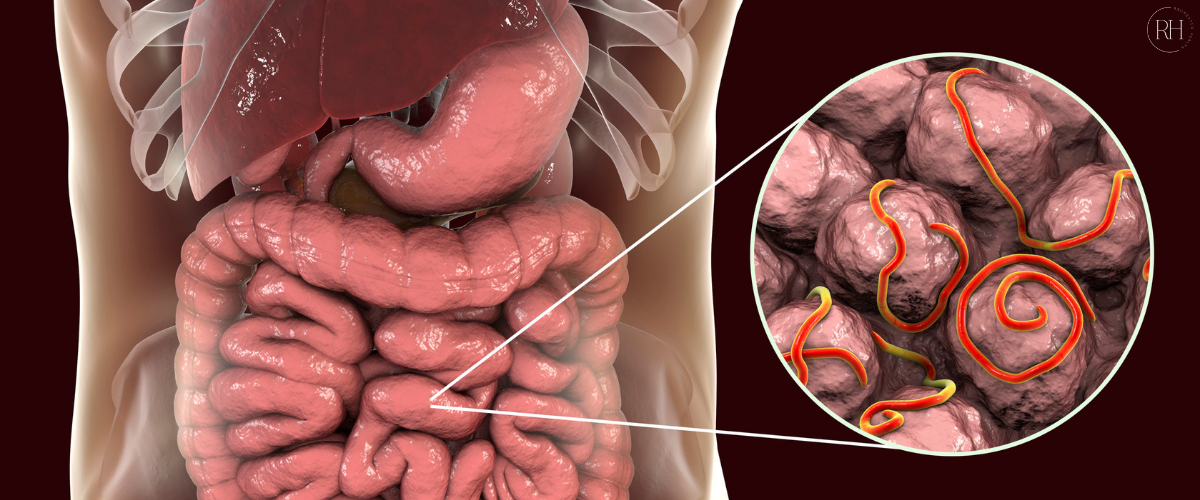
The gut plays a central role in immune regulation, nutrient absorption, and detoxification. Unfortunately, antibiotics can devastate gut health, wiping out both harmful and beneficial bacteria [10].
An imbalanced gut (gut dysbiosis) can lead to:
- Leaky gut syndrome
- Food sensitivities
- Weakened immunity
- Mood disorders through gut-brain axis disruption [14]
Tips for Gut Repair After Lyme Treatment:
- Probiotics: Use multi-strain, high-quality probiotics.
- Prebiotics: Feed good bacteria with inulin, chicory root, resistant starch.
- Bone broth: Collagen and amino acids to heal gut lining.
- Digestive enzymes: Improve absorption and reduce inflammation.
- L-glutamine: Essential for intestinal repair.
👉 Recreated Health Recommends:
CellCore CT-Biotic – Soil-based probiotic that supports microbiome restoration and immune balance.
Digestive Enzymes – improve digestion and absorption through stomach and bile acid support, and pancreatic enzymes.
GI Revive – support the lining of the GI tract to provide a barrier against toxins, allergens, and certain microbes.
Detox Pathways Post-Antibiotics: Clearing the Leftovers
Lyme disease and its treatments release endotoxins, dead bacterial debris, and metabolic waste. Antibiotics may kill pathogens, but the body must still eliminate the toxic remnants. If detox pathways are sluggish, symptoms like brain fog, fatigue, and joint pain persist [15].
Key Detox Pathways to Support:
- Liver: Needs B vitamins, antioxidants, and amino acids.
- Colon: Regular elimination prevents toxin recirculation.
- Lymphatic System: Requires hydration and movement to circulate waste.
- Skin & Lungs: Sweating, deep breathing, and dry brushing aid elimination.
Detox Tips:
- Stay hydrated by drinking at least 1/2 of your body weight in ounces of water daily and adding trace minerals.
- Use dry brushing for lymphatic flow.
- Try infrared saunas for detox through sweat.
- Use carbon-based binders like Biotoxin Binder to capture toxins [16].
👉 Recreated Health Recommends:
CellCore BioToxin Binder – Binds toxins safely without constipation, supporting full detoxification.
Integrating Functional Medicine: The Whole-Body Approach
Lyme is more than an infection—it’s an assault on the body’s ecosystem. Functional medicine doesn’t treat symptoms in isolation; it looks at how systems interact and how to restore balance.
Key Elements of a Functional Approach:
- Comprehensive Testing: Co-infections, nutrient deficiencies, mycotoxins, mitochondrial markers.
- Personalized Protocols: Binders, mitochondrial support, immune modulation, antimicrobials.
- Anti-Inflammatory Diet: Rich in vegetables, clean proteins, healthy fats; free of gluten, dairy, and sugar.
- Chiropractic & Craniosacral Therapy: Release nervous system tension, improve drainage.
- Nervous System Regulation: Vagus nerve stimulation, breathwork, gentle movement.
- Emotional Healing: Address trauma and stress for deeper recovery.
Functional medicine supports the body’s innate ability to heal—by removing barriers and providing the right support.
Conclusion: Healing Is Possible with a Holistic Plan
If you’ve been struggling with lingering Lyme symptoms and antibiotics haven’t brought lasting relief, you’re not alone. Many find themselves stuck in “chronic Lyme” limbo—tired, inflamed, and frustrated.
But there is hope. By focusing on mitochondrial repair, gut restoration, and detoxification, a functional medicine approach gives the body the tools it needs to rebuild and thrive.
You don’t have to accept chronic symptoms as your new normal. Healing is possible—and functional medicine can help get you there.
Start Your Healing Journey Today
Recreated Health offers practitioner-grade supplements to support every stage of Lyme recovery:
CellCore MitoActive – Support mitochondrial energy
CellCore CT-Biotic – Restore gut microbiome
CellCore BioToxin Binder – Aids in safe and effective detoxification
Explore our full supplement line at the Recreated Health CellCore Portal.
For personalized guidance, book a consultation with Dr. Shawn Bladel today.
References
- Stanek G, et al. Lancet. 2012.
- Middelveen MJ, et al. F1000Res. 2018.
- Rebman AW, et al. Front Med. 2021.
- Wormser GP, et al. Clin Infect Dis. 2006.
- Sapi E, et al. Eur J Microbiol Immunol. 2012.
- Brorson O, Brorson SH. Proc Natl Acad Sci USA. 1997.
- Krause PJ, et al. Clin Microbiol Rev. 2002.
- Breitschwerdt EB, et al. Emerg Infect Dis. 2008.
- Marques A. Clin Infect Dis. 2008.
- Becattini S, Pamer EG. Immunity. 2016.
- Kalghatgi S, et al. Sci Transl Med. 2013.
- Myhill S, et al. Int J Clin Exp Med. 2009.
- Golomb BA. Chem Res Toxicol. 2016.
- Cryan JF, et al. Nat Rev Neurosci. 2019.
- Nicholson JK, et al. Toxins. 2019.
- Smith RL, et al. J Environ Public Health. 2017.