


By Dr. Shawn Bladel
The Importance of a Fever: Understanding the Benefits and Management
By Dr. Shawn Bladel | September 1, 2025 | Recreated Health
Introduction
Fever is one of the body’s most misunderstood responses to illness. In a world where over-the-counter medications are readily available and fever is often seen as something to suppress immediately, many people miss the vital role it plays in healing. At Recreated Health, we believe in honoring the body’s natural processes—and fever is no exception.
In this article, we’ll explore why letting a fever run its course can be a wise choice in many situations. You’ll learn how fevers support the immune system, the drawbacks of suppressing them too quickly, which natural tools can ease discomfort safely, and when to seek medical attention.
The Role of Fever in Healing
Fever is not the enemy—it’s a natural defense mechanism. When the body senses a threat like a virus, bacteria, or other pathogens, it raises its core temperature to create an inhospitable environment for these invaders. This temporary spike helps the body heal faster.
Why Fever Helps the Immune System:
- Stimulates white blood cells so they can move faster and fight harder.
- Slows pathogen replication, limiting the spread of viruses and bacteria.
- Promotes detoxification by improving circulation and lymphatic drainage.
A moderate fever is the body’s way of taking control. Suppressing it too early may prolong illness or allow pathogens to thrive.
What Fever Reducers Do to the Body
Pharmaceutical fever reducers like acetaminophen (Tylenol) and ibuprofen (Advil) are often the go-to for managing discomfort—but at what cost?
How They Work:
They block prostaglandins, hormone-like substances that regulate inflammation and temperature. While this lowers temperature, it may interfere with the body’s healing process.
Potential Drawbacks:
- Delays immune response by slowing white blood cell activity.
- Suppresses symptoms without addressing the root cause.
- Can stress the liver, particularly acetaminophen.
- May mask signs of more serious infections.
Dr. Shawn’s Perspective: “A fever is a healthy, intelligent response by the body. Unless it’s dangerously high, our goal shouldn’t be to shut it off—it should be to support the body through it.”
Natural Supplements Recommended by Dr. Shawn
Supporting a fever doesn’t mean suffering through it. Natural strategies ease discomfort, encourage detox, and nourish the body—while allowing the fever to do its job.
1. Hydration + Electrolytes
- Why: Fever increases fluid loss through sweat.
- What to Use: Mineral-rich electrolyte powders like CT-Minerals (no artificial sweeteners).
2. Herbal Teas
- Ginger: Enhances circulation and digestion.
- Elderflower or Yarrow: Promotes a healthy sweat response.
- Chamomile: Calms the nervous system and soothes digestion.
3. Vitamin C
- Why: Powerful antioxidant that supports immune defenses.
- How Much: 1,000–2,000 mg daily in divided doses (bowel tolerance may vary).
4. Immune Support Botanicals
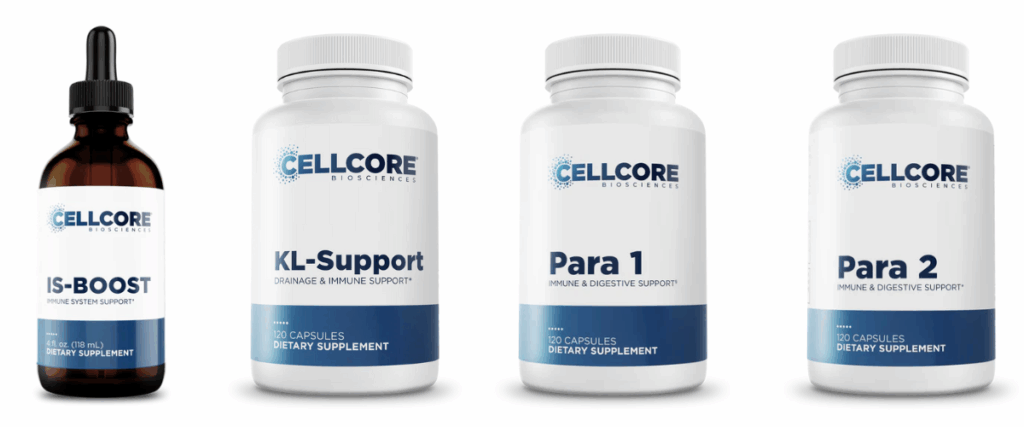
- Cellcore IS-BOOST: helps regulate immune response during viral or bacterial stress.
- Cellcore KL Support: supports liver and kidney detox pathways under fever burden.
- Para 1 + Para 2: Considered when fevers appear during parasite detox.
5. Magnesium
- Why: Relieves muscle tension, reduces headaches, and supports deep sleep.
- How Much: 200–400 mg glycinate or citrate before bed.
Safe Fever Levels: What’s Normal and What’s Not
Normal Fever Ranges (Adults & Children):
- Mild: 99.5°F – 100.9°F (37.5°C – 38.3°C)
- Moderate: 101°F – 103°F (38.4°C – 39.4°C)
- High: 104°F – 105°F (40°C – 40.5°C)
- Dangerous: Above 105°F (40.6°C) – Seek medical care immediately.

Red Flags to Watch For:
- Fever lasting longer than 3 days
- Difficulty breathing or chest pain
- Severe headache with neck stiffness
- Disorientation or unresponsiveness
- Seizures (especially in children)
Gentle Comfort Measures
- Lukewarm baths (not cold).
- Cool compresses on forehead or wrists.
- Loose, breathable clothing.
- Quiet, dark environment with fresh air.
- Rest and sleep above all.
Avoid:
- Ice baths or alcohol rubs.
- Over-bundling or extreme cooling.
- Forcing heavy meals—light broths and fruits are best.
Conclusion: Trust the Body’s Wisdom
Fever is a purposeful immune response. While it can feel uncomfortable, it often shortens illness and strengthens recovery.
At Recreated Health, we encourage natural fever management: hydration, gentle herbal supports, electrolytes, and rest—while trusting your body’s innate intelligence.
But remember: if a fever becomes prolonged or reaches dangerous levels, seek medical support right away.
📌 Key Takeaways
- Fever is a healing response, not a disease to suppress.
- OTC fever reducers can delay recovery and stress the liver.
- Natural supports like hydration, teas, vitamin C, and magnesium promote comfort and recovery.
- Monitor carefully and know when to seek professional help.
💊 Explore Our Recommended Products
- CT-Minerals – Hydration & mineral support
- Vitamin C – Antioxidant & immune support
- IS-BOOST – Botanical immune blend
- Magnesium Glycinate – For relaxation & better sleep
👉 For more personalized guidance, book a consultation with Dr. Shawn Bladel.
References
- Mackowiak PA. Fever: blessing or curse? A unifying hypothesis. Ann Intern Med. 1994;120(12):1037–1040.
- Kluger MJ. Fever: role of pyrogens and cryogens. Physiol Rev. 1991;71(1):93–127.
- Carey JV. Literature review: should antipyretic therapies routinely be administered to patients with fever? J Clin Nurs. 2010;19(17-18):2377–2393.