

By Dr. Shawn Bladel
Opportunistic Co-Infections Associated with Lyme Disease: Understanding Candida and Its Impact on Health
By Dr. Shawn Bladel | August 17, 2025 | Recreated Health
Introduction
When navigating the long road to recovery from Lyme disease, one often-overlooked factor can drastically affect your progress: opportunistic co-infections. Among the most common of these is Candida, a type of yeast that lives naturally in the body but can spiral out of control when the immune system is compromised — something all too common in chronic Lyme disease [1].
At Recreated Health, we believe in tackling root causes and restoring balance through natural means. This article explores how Candida and Lyme disease interact, why addressing both simultaneously is critical, and which natural remedies can help you heal holistically.
Understanding Candida
What is Candida?
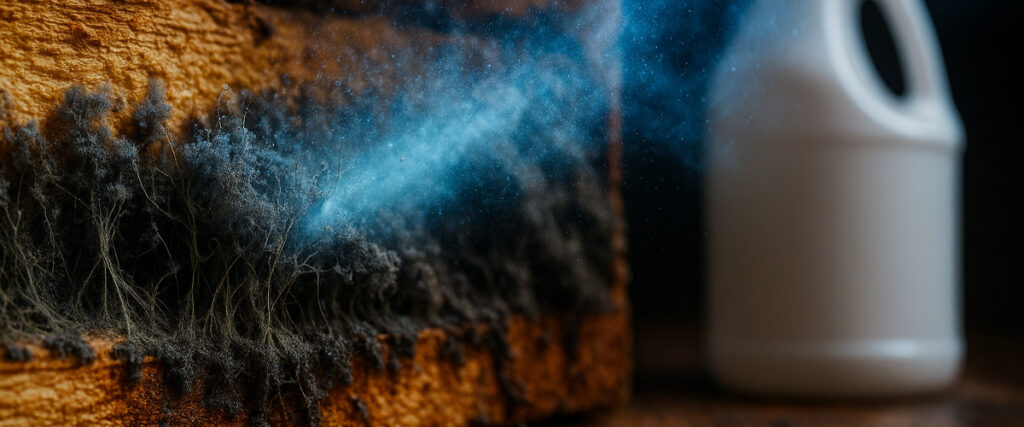
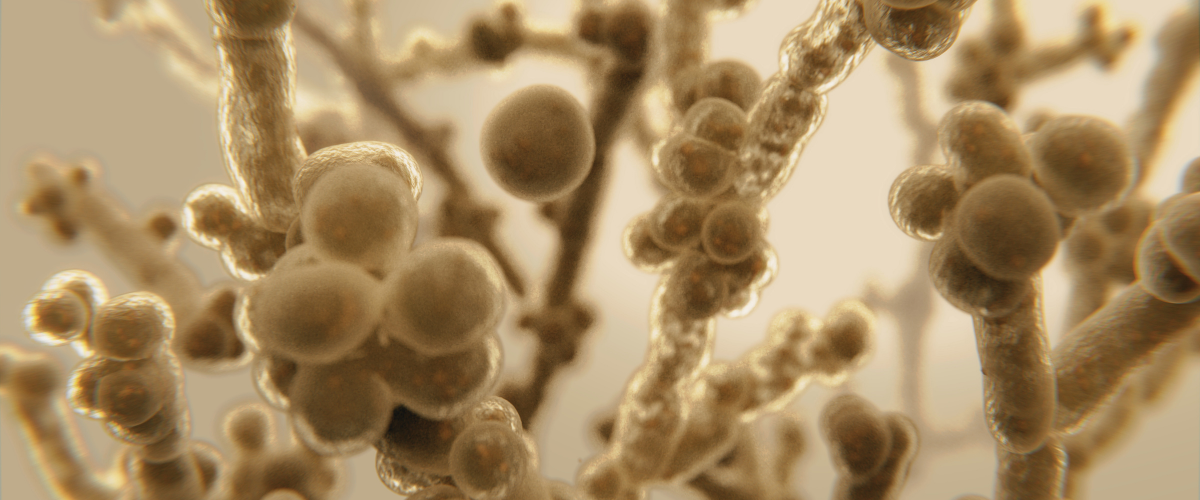
Candida is a genus of yeast, with Candida albicans being the most common species. It typically resides in the mouth, digestive tract, skin, and vagina without issue. However, under the wrong conditions, Candida can overgrow and turn pathogenic, leading to candida overgrowth syndrome or candidiasis [2].
Why Is Candida Considered Opportunistic?
Candida is considered an “opportunistic infection” because it takes advantage of weakened immunity or gut imbalance. Lyme disease creates the perfect storm:
- Immune suppression from chronic infection [3]
- Frequent antibiotic use (which kills protective gut bacteria) [4]
- Nutritional deficiencies and inflammation that lower resistance [5]
This gives Candida room to thrive, making Lyme sufferers especially vulnerable.
Symptoms of Candida Overgrowth
Candida symptoms vary depending on where it grows—but they often overlap with Lyme, making diagnosis tricky.
Digestive Symptoms
- Bloating, gas, constipation, diarrhea, sugar cravings [6]
Skin & Mucosal Symptoms
- Vaginal yeast infections, oral thrush, athlete’s foot, nail fungus, rashes [7]
Systemic Symptoms
- Brain fog, fatigue, mood swings, headaches, joint pain [8]
Candida is especially tricky because many of these symptoms overlap with Lyme disease. This overlap makes it easy to overlook Candida as a co-infection that may be fueling chronic illness.
Importance of Addressing Candida and Lyme Together
Healing from Lyme isn’t just about targeting Borrelia burgdorferi. It’s about supporting the entire ecosystem of the body — including the gut microbiome and immune system [9].
How Candida Impacts Lyme Healing
- Increases inflammation, amplifying Lyme symptoms [10]
- Creates biofilms that shield both itself and Lyme bacteria [11]
- Disrupts nutrient absorption, compounding deficiencies [12]
- Mimics Lyme symptoms, delaying diagnosis [13]
Key takeaway: If you’re not actively working to manage Candida, your efforts to recover from Lyme may be significantly slowed or even stalled.
Testing for Candida
Stool Testing
A comprehensive stool analysis can identify candida overgrowth in the gut and evaluate the balance of other bacteria and yeasts.
Recommended: GI-MAP (Diagnostic Solutions) [14].
Organic Acids Test (OAT)
This urine test measures byproducts of Candida metabolism, such as arabinose, and is useful for detecting systemic infections.
Recommended: Mosaic OAT (formerly Great Plains Laboratory) [15].
Blood Tests
Antibodies (IgG, IgM, IgA) may indicate chronic exposure or active infection [16].
At Recreated Health, we can provide at-home functional testing kits that give a full picture of how candida, Lyme, and other factors are affecting your health. home, with results explained in detail during a consultation.
Natural Strategies for Candida + Lyme Healing
1. Antifungal Support
Pharmaceutical antifungals can work, but often damage the microbiome. Natural antifungals have broad-spectrum benefits and lower risk [17].
Recommended Products:
- Biocidin® – Botanical formula with antifungal and antibacterial properties [18].
- CellCore Para 1 – Supports gut cleansing and disrupts biofilms [19].
- Oregano oil, caprylic acid, berberine, garlic – Additional evidence-based antifungals [20].
Clinician’s Note: Rotate 2–3 antifungal agents for 3–4 weeks at a time, pair each round with biofilm support, and always layer in probiotics for long-term balance.
2. Gut Microbiome Rebalancing
After antifungal work, the gut must be reseeded and repaired:
- Probiotics: Soil-based probiotics (like CellCore CT-Biotic) or targeted blends (L. reuteri, L. rhamnosus GG).
- Prebiotics: Gentle options like inulin or partially hydrolyzed guar gum.
- Gut repair nutrients:
- CT Biotic (Cellcore) – spore-based, non-dairy probiotic [21].
- GI Revive® (Designs for Health) – Gut lining repair + microbiome support [22]
- Digestzymes™ (Designs for Health) – Enhances digestion + lowers fermentation stress [23]
- Soil-based probiotics (spore-forming Bacillus strains) – Strong evidence in fungal/immune modulation [24]
This combination strengthens digestion, enhances immunity, and prevents candida from taking hold again.
3. Binders for Mycotoxins
Binders capture and carry out toxins released during candida die-off, preventing recirculation:
- Specialty options: BioToxin Binder or HM-ET Binder (CellCore) for fungal and heavy metal burdens.
- Clinician-supervised escalation: Cholestyramine (Rx) can be considered in severe mold/mycotoxin cases.
Pro Tip: Take binders away from food/supplements (≥1 hr before or ≥2 hrs after). Ensure daily bowel movements before introducing binders.
4. Drainage and Detoxification
Before antifungals or binders, always open the body’s drainage pathways [30].
- Bile & liver support:
- Advanced TUDCA (CellCore): promotes bile flow and cellular resilience [31].
- Milk thistle (silymarin): Kidney and liver support [32].
- Bowel Mover (Cellcore): improves daily bowel elimination [33].
- BC ATP (Cellcore): mitochondrial energy to power detox [34].
- Kidney/lymph/colon support: Daily hydration, minerals, and bowel regularity. Consider Bowel Mover if needed.
- Lifestyle drainage practices: Breathwork, walking, vibration plates, and gentle sweating. Additionally, castor oil packs to reduce liver congestion [35].
Clinician’s Note: Start drainage for 2–4 weeks before moving to antifungals; keep bile support and binders running throughout.
5. Diet and Lifestyle
- Candida thrives on sugar and refined carbs. To starve it out and support healing:
- Eliminate refined sugar, processed grains, and alcohol [36].
- Focus on non-starchy vegetables, clean proteins, and healthy fats.
- Incorporate natural antifungals: coconut oil, garlic, oregano, and apple cider vinegar [37].
- Stay hydrated and keep bowels moving daily. (👉 CellCore Bowel Mover can help.)
Long-Term Prevention
Once candida is under control, prevention becomes your focus.
- Diet: Keep sugar and processed foods low, rotate antifungal herbs seasonally.
- Gut Health: Maintain probiotics and consider seasonal resets.
- Stress Management: Chronic stress weakens immunity—practice breathwork, grounding, or meditation [38].
- Ongoing Testing: Retest stool or OAT panels if symptoms return.
Conclusion: Take Back Control
Healing from Lyme disease is complex, and candida overgrowth often becomes a hidden roadblock. By addressing candida with antifungal support, biofilm disruptors, binders, drainage, and gut repair, you can accelerate recovery and restore balance.
At Recreated Health, we help patients uncover these hidden layers and guide them through safe, natural protocols that address the whole person.
👉 Next Step: Explore Dr. Shawn’s recommended parasite and candida cleansing protocols and take control of your healing journey today.
👉 Next Steps:
- 📖 Download the Parasite Detox Blueprint – essential if parasites are fueling candida.
- 📅 Schedule a Consultation with Dr. Shawn for a personalized plan.
References
- Mason KL, et al. PLoS Pathog. 2012.
- Prieto D, et al. Pathogens. 2016.
- Marques A. Clin Infect Dis. 2008.
- Lewis K. Nature. 2013.
- Brown GD, et al. Nat Rev Immunol. 2012.
- Chassaing B, Gewirtz AT. Nat Rev Gastroenterol Hepatol. 2014.
- Sobel JD. Clin Microbiol Rev. 2007.
- Shinohara DR, et al. Mycopathologia. 2018.
- Fallon BA, et al. Psychiatr Clin North Am. 2008.
- Romani L. Nat Rev Immunol. 2011.
- Fanning S, Mitchell AP. Nat Rev Microbiol. 2012.
- Koh AY. Front Microbiol. 2013.
- Angarano G, et al. Infez Med. 2017.
- Diagnostic Solutions GI-MAP Technical Guide.
- Mosaic Diagnostics (formerly Great Plains Laboratory), OAT Test.
- Ashman RB, Papadimitriou JM. Pathology. 1995.
- Cañete-Gibas CF, et al. Front Cell Infect Microbiol. 2020.
- Biocidin Botanicals Research Summary, 2021.
- CellCore Clinical Guide, 2023.
- Sivropoulou A, et al. J Agric Food Chem. 1996.
- CellCore Biosciences Product Sheet – CT-Biotic.
- Designs for Health – GI Revive Clinical Overview.
- Designs for Health – Digestzymes Clinical Overview.
- McFarlin BK, et al. World J Gastroenterol. 2017.
- Varga J, et al. Mycopathologia. 2015.
- CellCore Clinical Binder Guide, 2023.
- Ibid.
- Ibid.
- Lamprecht M, et al. Nutrients. 2015.
- Nathan N. Toxic: Heal Your Body from Mold Toxicity, Lyme Disease, and Chronic Illness. 2018.
- CellCore Product Guide – Advanced TUDCA.
- CellCore Product Guide – KL Support.
- CellCore Product Guide – Bowel Mover.
- CellCore Product Guide – BC-ATP.
- Arsenault MY, et al. Complement Ther Clin Pract. 2011.
- Calder PC, et al. Br J Nutr. 2017.
- Ogbolu DO, et al. J Med Food. 2007.
- Slavich GM. Nat Rev Immunol. 2020.