


By Dr. Shawn Bladel
Anxiety & Parasites: The Shocking Connection
By Dr. Shawn Bladel | August 3, 2025 | Recreated Health
Introduction
When most people think of anxiety, they picture racing thoughts, a pit in the stomach, or spiraling emotions. The assumption has long been that anxiety is “all in the brain.” But what if one of the biggest drivers of anxiety isn’t in your head at all—what if it’s in your gut?
At Recreated Health, we look deeper than surface symptoms. I’ve seen it repeatedly in my practice: unresolved parasite infections can be a hidden root cause of stubborn anxiety. It may sound shocking at first, but once you understand the parasite–gut–brain connection, the pieces fall into place.
The Hidden Root: Anxiety Often Starts in the Gut
For decades, mainstream medicine framed anxiety as a simple “chemical imbalance” in the brain. But mounting evidence shows that the gut plays an enormous role in mental health [1][2].
- About 90% of serotonin, the “feel good” neurotransmitter, is made in the gut.
- The gut-brain axis, connected through the vagus nerve, constantly communicates emotional and physical states.
- When the gut is inflamed, infected, or imbalanced, stress signals travel straight to the brain.
Parasites take this disruption to another level. They feed on your nutrients, release neurotoxins, and inflame your digestive tract—creating the perfect storm for anxiety to thrive.

How Parasites Create Anxiety
So how can parasites fuel or worsen anxiety?
1. They Steal Your Nutrients
Parasites literally rob you of vitamins and minerals your brain needs—especially magnesium, B vitamins, and amino acids. These are essential building blocks for neurotransmitters like serotonin, dopamine, and GABA [3]. Without them, your nervous system struggles to regulate mood.
2. They Release Neurotoxins
As parasites live and die, they release toxic byproducts. These toxins don’t just stay in the gut—they can enter the bloodstream and cross the blood-brain barrier [4]. The result: irritability, racing thoughts, restlessness, and even insomnia.
3. They Disrupt GABA and Serotonin
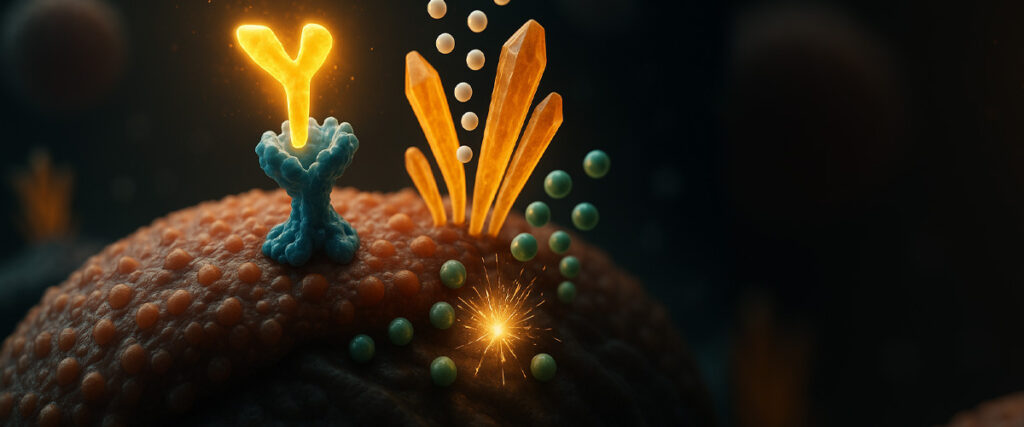
GABA is your “calm down” neurotransmitter. Parasite toxins interfere with GABA receptors, making it harder to relax. At the same time, damage to the gut lining lowers serotonin production. This one-two punch leaves you stuck in a heightened state of stress.
4. They Hijack the Gut-Brain Axis
By inflaming the intestines and disrupting the microbiome, parasites alter the very signals traveling to the brain [5]. The body shifts into chronic fight-or-flight mode—fueling anxiety, panic, and overwhelm.
5. They Trigger Chronic Inflammation
Parasites keep the immune system in overdrive. This leads to low-grade inflammation throughout the gut and nervous system. Inflammation is a silent driver of brain fog, irritability, and hypersensitivity [6].
Why Traditional Approaches Often Don’t Work
If you’ve tried therapy, medications, meditation, diet changes, or exercise and still feel anxious, parasites may be the missing piece.
Mainstream approaches focus only on the brain. But if parasites are disrupting neurotransmitters, stealing nutrients, and inflaming your gut, no amount of talk therapy or SSRIs can fully patch that hole.
Real Symptoms That Overlap
Parasite-driven anxiety rarely exists in isolation. It often pairs with other overlooked symptoms:
- Constant fatigue
- Insomnia
- Digestive problems (bloating, constipation, diarrhea)
- Mood swings or irritability
- Skin rashes or breakouts
- Intense sugar cravings
These clues are often dismissed as “just stress” or “just anxiety,” when in reality they reveal a deeper imbalance.
The Missing Link: Detox Pathways & Healing Anxiety
Even when parasites are treated with pharmaceuticals like ivermectin or albendazole, many people still feel worse before they feel better. Here’s why:
- Parasites release toxins when they die.
- If detox pathways (liver, lymph, colon, kidneys) aren’t open, toxins recirculate.
- Without binders, toxins can be reabsorbed into the bloodstream, fueling more anxiety [7].
That’s why at Recreated Health, we never recommend diving straight into killing parasites. Instead, we focus on:
- Opening drainage pathways first (bowels, lymph, liver, kidneys).
- Using binders to safely capture and remove toxins.
- Supporting the microbiome with probiotics, herbs, and nutrient replenishment.
This holistic sequence prevents “die-off reactions” and allows the nervous system to actually calm instead of being overwhelmed.
Dr. Shawn’s Parasite Cleansing Guide
To make this process safe and effective, I developed a step-by-step Parasite Cleansing Guide. Unlike standard prescriptions that target only certain species, my approach combines:
- Herbal antimicrobials to address all life stages (eggs, larvae, adults)
- Detox and binder support to eliminate toxins
- Lifestyle strategies like hydration, sleep, and stress reduction to help the nervous system recover
👉 Download Dr. Shawn’s Parasite Cleansing Guide Here
This isn’t just about killing parasites. It’s about restoring the gut-brain axis so your mood, energy, and resilience return.
The Path Forward: Healing Anxiety at the Root
If you’re stuck in the cycle of anxiety and nothing seems to work, parasites could be the hidden trigger. Healing requires more than managing symptoms—it requires addressing the infection, inflammation, and detox pathways that keep your body in survival mode.
At Recreated Health, our mission is to empower patients with the knowledge and strategies to restore balance. Whether through functional testing, guided parasite cleansing, or nervous system support, healing is possible.

Key Takeaways
- Anxiety isn’t always in your head—it often starts in your gut.
- Parasites disrupt neurotransmitters, steal nutrients, and inflame the gut-brain axis.
- Traditional anxiety treatments miss the root if parasites aren’t addressed.
- Detox, drainage, and microbiome repair are critical for lasting relief.
- Dr. Shawn’s Parasite Cleansing Guide offers a natural, comprehensive roadmap.
👉 Start your healing journey today with Dr. Shawn’s Parasite Cleansing Guide.
References
- Foster JA, Neufeld K-AM. Gut–brain axis: How the microbiome influences anxiety and depression. Trends Neurosci. 2013.
- Dinan TG, Cryan JF. Regulation of the stress response by the gut microbiota. Mol Psychiatry. 2017.
- Allen LH. Nutritional impacts of parasitic infections. Ann Rev Nutr. 1994.
- Nicholson JK, et al. Gut microbial metabolites and the nervous system. Science. 2012.
- Kelly JR, et al. Breaking down the microbiome–gut–brain axis. Trends Neurosci. 2015.
- Miller AH, Raison CL. The role of inflammation in depression and anxiety. Nat Rev Immunol. 2016.
- Henn MR, et al. Parasite die-off and host response. PLoS Pathog. 2014.