



By Dr. Shawn Bladel
Lyme Disease Isn’t Just From Ticks: The Truth About Transmission
What You Need to Know About Lyme, Other Vectors, and What to Do if You’re Bitten
When most people think of Lyme disease, they picture a single culprit: the deer tick. But at Recreated Health, we know the truth is much broader—and much more concerning. The idea that Lyme is only transmitted through ticks has left many people in the dark about their real risk, and more importantly, about what’s really behind their chronic, mysterious symptoms.
Lyme disease is one of the most misunderstood, underdiagnosed, and mistreated infections today. While the Centers for Disease Control (CDC) lists ticks as the main vector, emerging research and functional medicine experience show that Lyme and its co-infections can be transmitted through other means as well—and not knowing this could put you and your loved ones health at risk.
Let’s break down all the ways Lyme can be transmitted, what to do if you’re bitten by a tick, and how to test both the tick and yourself for accurate results. We’ll also cover what to do next—because early action and the right functional support are key to stopping chronic Lyme before it starts.
Ticks: The Most Well-Known Vector— All the Types of Ticks That Can Carry Lyme Disease
Different species of ticks can transmit Lyme and a wide range of co-infections like Babesia, Bartonella, Ehrlichia, and more. Here’s a breakdown of the primary tick species known to carry and transmit Lyme-causing bacteria:
1. Blacklegged Tick (Ixodes scapularis) – “Deer Tick”
- Most common Lyme disease carrier in the northeastern, mid-Atlantic, and north-central United States
- Also transmits Anaplasma, Babesia, and Powassan virus
- Active year-round but especially dangerous in spring through fall
2. Lone Star Tick (Amblyomma americanum)
*Key Diseases Transmitted: Ehrlichiosis (Ehrlichia chaffeensis and Ehrlichia ewingii), Tularemia (Francisella tularensis), Southern Tick-Associated Rash Illness (STARI), and Alpha-Gal Syndrome (meat allergy induced by tick bite)
- Found in the southeastern and eastern United States
- Highly aggressive, often actively seeking out hosts and known for producing large, painful bites
- Also linked to alpha-gal syndrome, a meat allergy
3. American Dog Tick (Dermacentor variabilis)
*Key Diseases Transmitted: Rocky Mountain Spotted Fever (Rickettsia rickettsii)
- Found in the Rocky Mountains; parts of California
- Commonly found in grassy fields, along trails and roadsides
- Adult ticks are most likely to bite humans
4. Western Blacklegged Tick (Ixodes pacificus)
*Key Diseases Transmitted: Lyme Disease and Anaplasmosis
- Pacific Coast of the United States (California, Oregon, and Washington)
- Prefers wooded areas, grasslands, and coastal scrublands
- Active from early spring to late fall
5. Brown Dog Tick (Rhipicephalus sanguineus)
*Key Diseases Transmitted: Rocky Mountain Spotted Fever (Rickettsia rickettsii), Ehrlichiosis
- Worldwide distribution; prefers warmer climates and often infests homes and kennels.
- Completes its entire life cycle indoors if necessary.
- Primarily feeds on dogs, but will bite humans if infestations are heavy.
6. Castor Bean Tick (Ixodes ricinus)
*Key Diseases Transmitted: Lyme Disease (Borrelia burgdorferi), Tick-borne Encephalitis Virus (TBEV), Anaplasmosis (Anaplasma phagocytophilum), Babesiosis (Babesia divergens, Babesia Venatorum), and Rickettsia species infections
- Found across Europe and parts of North America
- Prefers humid climates, woodlands, forests, and grassy urban parks
- Is slightly more aggressive when searching for a host
- Both nymphs and adults are primarily responsible for human transmission
7. Taiga Tick (Ixodes persulcatus)
*Key Diseases Transmitted: Lyme Disease (Borrelia garinii, Borrelia afzelii, Borrelia bavariensis), Tick-borne Encephalitis Virus (Far Eastern and Siberian subtypes — often more severe than European strains), Babesiosis, Anaplasmosis, Rickettsioses
- Found across Northern Europe, Russia, China, and Japan
- Found in forests, taiga biomes, and heavily vegetated areas.
- Displays aggressive behavior when going after a host
**Taiga ticks are known to cause severe neurological and systemic infections, particularly Lyme disease and TBEV. Their potential for co-transmission of multiple pathogens makes them a serious threat to humans.
8. Relapsing Fever Ticks (Ornithodoros species)
*Key Diseases Transmitted: Tick-borne Relapsing Fever (TBRF) caused by Borrelia hermsii, Borrelia turicatae, Borrelia duttonii, and others
- Found across the United States and Canada, also in Africa (sub-Saharan regions)
- Nocturnal feeders; prefer hiding in rodent nests, caves, cabins, or animal burrows
- Feed very quickly and painlessly, often unnoticed
**Relapsing Fever Ticks are highly dangerous to humans in endemic areas. Tick-borne relapsing fever can cause recurring high fevers, chills, headaches, muscle aches, and neurological complications if untreated. Soft ticks are responsible for epidemics historically and remain a serious health concern in specific regions.
Each of these ticks can also carry multiple pathogens at once, making co-infections increasingly common—and often more difficult to detect through traditional testing.
All the Ways Lyme Disease Can Be Transmitted
1. Other Biting Insects
Research and clinical experience suggest that other insects may act as unofficial vectors of Lyme and co-infections.
- Mosquitoes: Some studies show that mosquitoes can harbor Borrelia and transmit it through repeated biting.
- Fleas: Especially those carried by pets. Fleas may carry and transmit co-infections like Bartonella.
- Lice and mites: Though less studied, lice and mites have been found to carry tick-borne pathogens, particularly in crowded or unhygienic environments.
While mainstream science hasn’t fully validated every one of these routes, functional medicine and Certified Lyme Specialists, like Dr. Shawn at Recreated Health have seen real-world cases where non-tick exposure led to chronic Lyme-like symptoms—especially in those with weakened immune systems or compromised detox pathways.
2. Congenital Transmission
Yes—Lyme can be passed from mother to baby during pregnancy. Studies have found Borrelia in the placenta and umbilical cord, and infants born with Lyme may show signs of developmental delays, neurological issues, or immune dysregulation later in life.
- MacDonald, A.B. (1989). Congenital Lyme borreliosis. Annals of the New York Academy of Sciences.
- Schlesinger et al. (1985). Transplacental transmission of Borrelia burgdorferi. JAMA.
This is a major reason why preconception health and Lyme screening are critical for women looking to conceive.
3. Sexual Transmission
Though controversial, there is growing evidence that Lyme may be sexually transmitted. Borrelia has been found in semen and vaginal secretions. Because it behaves similarly to syphilis (another spirochete bacterium), it’s possible that close, intimate contact may allow transmission, especially if one partner is already immunocompromised.
Middelveen et al. (2014). Potential sexual transmission of Lyme disease: need for further investigation. F1000Research.
4. Blood Transfusions or Organ Transplants
Although not officially recognized by the CDC, some studies suggest the potential for Borrelia to survive in stored blood products, presenting a theoretical risk of transfusion-based transmission. However, it is well-documented that Babesia (a co-infection of Lyme) can be transmitted through blood transfusions.
Leiby, D.A. (2011). Babesia and the U.S. blood supply. Current Opinion in Hematology.
Johnson et al. (1990). Survival of Borrelia burgdorferi in blood products.
What to Do If You Get a Tick Bite
Being outdoors is essential for mental and physical health, and we’re not here to scare you away from nature. But it’s important to be prepared and proactive.
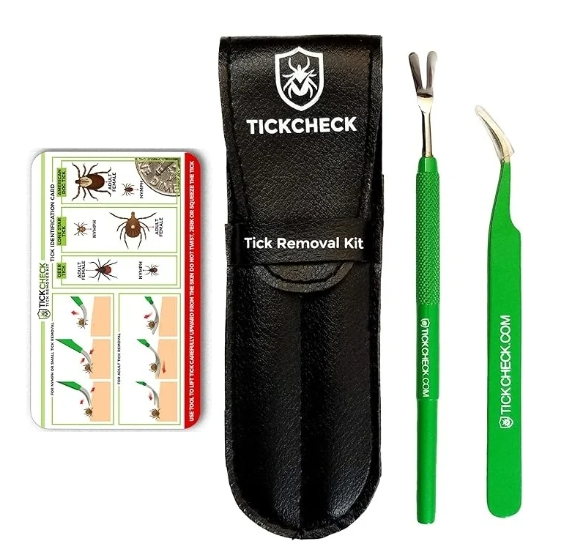
Step 1: Remove the Tick Carefully
- Use fine-tipped tweezers and slide them under the tick
- Grasp the tick as close to the skin as possible
- Pull upward steadily—don’t twist or jerk.
- Avoid squeezing the tick’s body
Do NOT use petroleum jelly, heat, or essential oils to “smother” the tick while it’s attached. This can cause it to regurgitate saliva and increase your risk of infection.
Step 2: Save the Tick for Testing
Place the tick in a sealed container or a ziplock bag with a moist cotton ball. Label it with the date and body location of the bite.
You can then send it for tick testing to detect Borrelia and co-infections. One of the most trusted labs is:
- TickReport (UMass Laboratory)
- IGeneX Tick Testing
- DNA Connexions Tick Test
Testing the tick can give you quick answers about your risk and help determine if you need further testing or immediate support.
What to Do If You’ve Been Bitten by a Tick
Even if you feel fine, a tick bite should never be ignored. Symptoms can show up days or even weeks later—and sometimes, not at all until the infection becomes chronic.
Here’s what to do immediately after a bite:
1. Document the Bite
- Take a photo of the tick and bite location.
- Note the date and any early symptoms like rash, fever, chills, or fatigue.
2. Don’t Wait for a Rash
Only 30–40% of people get the classic “bullseye” rash. And many other rashes can look different. The absence of a rash doesn’t mean you’re in the clear.
3. Start Drainage and Immune Support
At Recreated Health, Dr. Shawn recommends starting foundational support immediately to help your body process potential pathogens and toxins:
- Lymphatic support
- Digestive and liver support
- Binders (like BioToxin Binder)
- Para 1, Para 2, and Para 3 for natural microbial cleansing
4. Get Functional Testing
If you’ve been bitten or suspect past exposure, don’t rely on standard labs. Dr. Shawn uses:
- Vibrant Tickborne TBRF Panel
- Symptom mapping and MSIDS questionnaire
These tools detect current infections, co-infections, and whether your immune system is actively fighting Lyme—not just past exposure.
Early Symptoms of Lyme to Watch For
If you’ve recently been bitten—or just suspect you may have had past exposure—watch for these early signs:
- Fatigue or brain fog
- Body aches or migrating joint pain
- Fever or chills
- Headaches
- Dizziness or light sensitivity
- Digestive issues
- Sleep disturbances
These may seem subtle, but early intervention is key to avoiding chronic symptoms down the road.
Why You Need a Functional Medicine Approach
At Recreated Health, we don’t believe in “watch and wait.” We take a proactive approach to immune support, drainage, and microbial balance. Our protocols are:
- All-natural and root-cause based
- Customizable to your unique symptoms and terrain
- Focused on repairing the body’s natural detox and defense systems
Conventional medicine may offer a short round of antibiotics—but for many, that’s not enough. Lyme bacteria can hide in tissues, shift forms, and cause long-term symptoms even after basic treatment.
We believe in helping your body become resilient, responsive, and self-healing again.
Final Thoughts: Lyme Disease Is Real, Complex, and Treatable
Lyme isn’t just a tick problem. It’s a whole-body burden that requires a whole-body solution. And the first step is awareness—knowing how it’s transmitted, what signs to watch for, and how to get tested accurately.
Whether you’ve just pulled a tick off your skin, or you’ve been struggling with unexplained symptoms for years, know this:
You’re not crazy. You’re not alone. And healing is possible.
Take the First Step Toward Lyme Recovery Today
At Recreated Health, we combine advanced Lyme testing, natural detox and immune support, and individualized care plans that honor the body’s ability to heal.
If you’ve had a recent tick bite
If you suspect Lyme but have been told your labs are “normal”
If you’ve been living with fatigue, brain fog, or chronic inflammation without answers
Don’t wait. Book a Lyme & Infection Support Consultation with Recreated Health today. Dr. Shawn Bladel, a Certified Lyme Specialist, will help you uncover the real reason behind your symptoms. You deserve clarity. You deserve hope. You deserve to feel like you again.
Schedule a personalized consultation with Dr. Shawn today!
Visit https://www.recreatedhealth.com/pages/become-a-patient
Call us at (618)-842-7424
References
- Johnson, S.E., Klein, G.C., Schmid, G.P., Feeley, J.C. (1990). Survival of Borrelia burgdorferi in blood products. Journal of Clinical Microbiology.
- Leiby, D.A. (2011). Babesia and the U.S. blood supply. Current Opinion in Hematology, 18(6), 521-526.
- MacDonald, A.B. (1989). Congenital Lyme borreliosis. Annals of the New York Academy of Sciences, 539, 154-164.
- Matuschka, F.R., Richter, D., Spielman, A. (1994). Can mosquitoes or deer flies be vectors of Lyme disease? Parasitology Research, 80(8), 687-689.
- Middelveen, M.J., Burke, J., Sapi, E., Filush, K.R., Franco, A., Stricker, R.B. (2014). Potential sexual transmission of Lyme disease: need for further investigation. F1000Research, 3, 309.
- Schlesinger, P.A., Duray, P.H., Burke, B.A., Steere, A.C., Stillman, M.T. (1985). Maternal–fetal transmission of the Lyme disease spirochete, Borrelia burgdorferi. Annals of Internal Medicine, 103(1), 67-68.