


By Dr. Shawn Bladel
Unlocking Weight Loss Resistance: Why Testing Your Adrenal Gland Function is Essential
True wellness begins by addressing the root cause of your symptoms—not just the symptoms themselves. We hear it all the time: “I’m eating clean, working out regularly, drinking water, doing all the right things… but I still can’t lose weight.”
If that resonates with you, your body might be trying to send a message: your adrenal glands are out of rhythm—and it’s time to tune in.
Let’s take a deeper look into the power of adrenal gland function, the significance of your cortisol rhythm, and why simple, non-invasive testing can give you the answers you have been waiting for.
The Unsung Heroes: Your Adrenal Glands
Your adrenal glands are two small, triangular organs that sit on top of your kidneys. They might be small, but they are mighty powerhouses that are responsible for producing crucial hormones like:
- Cortisol – your primary stress hormone
- Aldosterone – helps regulate blood pressure
- DHEA – a precursor to sex hormones like estrogen and testosterone
- Adrenaline (epinephrine) – involved in the “fight or flight” response
Of these, cortisol plays one of the most vital roles in your overall health. This is especially true when it comes to weight regulation, energy levels, immune function, and mood.
Cortisol: Friend or Foe?
Cortisol isn’t the enemy! It’s actually essential for survival. But like anything, too much or too little at the wrong times can wreak havoc on your system.
Cortisol follows a natural diurnal rhythm, this means its levels naturally fluctuate over a 24 hour cycle in alignment with the body’s circadian rhythm. Ideally Cortisol will look like this:
- Early Morning Surge (Cortisol Awakening Response)- Peak levels
- Just before and shortly after waking (within the first 30–45 minutes), cortisol spikes sharply.
- This surge is what helps you feel alert and awake.
- It tells your body, “Hey, it’s a new day—let’s get moving!”
- Just before and shortly after waking (within the first 30–45 minutes), cortisol spikes sharply.
- Gradual Decline Throughout the Day
- After that initial morning peak, cortisol levels gradually decrease throughout the rest of the day.
- You should still have steady energy in the morning and afternoon, but in the later afternoon you may feel a natural dip in energy.
- After that initial morning peak, cortisol levels gradually decrease throughout the rest of the day.
- Lowest Levels at Night
- By the time the sun sets and you’re winding down for bed, cortisol should be at its lowest point.
- This allows melatonin, your sleep hormone, to rise and help you fall into deep, restorative sleep.
- By the time the sun sets and you’re winding down for bed, cortisol should be at its lowest point.
Symptoms of Cortisol Imbalance
Many people live with imbalanced cortisol without even knowing it. Here are some signs your cortisol rhythm might be disrupted:
- Stubborn belly fat, especially despite dieting and exercise
- Cravings for sugar or salt
- Brain fog and poor concentration
- Insomnia, especially waking between 2–4 a.m.
- Energy crashes in the afternoon
- Feeling “tired but wired” at night
- Anxiety or mood swings
- Frequent colds or infections
- Low blood pressure or dizziness when standing
Keep reading below on why an imbalance of Cortisol and other hormones can affect your weight loss success.
Cortisol: The Master Stress and Metabolism Regulator
Cortisol is often called the “stress hormone,” but that barely scratches the surface. Cortisol has a hand in nearly every system in the body—from regulating blood sugar, suppressing inflammation, and managing energy, to signaling your body when to wake up and when to rest.
Why It Matters for Weight Loss:
- Cortisol follows a diurnal rhythm, peaking in the morning and dropping at night. When this rhythm is off, so is your metabolism.
- Too much cortisol (especially from chronic stress) encourages fat storage, particularly around the belly.
- It raises blood sugar and insulin resistance, making it harder to burn fat and easier to gain weight.
- Cortisol also affects thyroid function, muscle breakdown, and mood, which all influence how well your body can metabolize food and respond to exercise.
- Too little cortisol (seen in adrenal fatigue) leads to exhaustion, brain fog, and the feeling that your body is just “stuck.”
If your cortisol is too low, at the burnout stage, your body may shift into survival mode. This means it’s going to be holding onto every calorie you eat, no matter how clean your diet or intense your workouts are.
Unfortunately, you can’t diet or exercise your way out of a hormonal imbalance.
If you’ve been working hard and still not seeing progress, it’s time to dig deeper. It’s time to stop guessing and test. Click here for an example of a 24-hour cortisol test that you can easily complete from home.
Additional Hormones To Consider With Weight Loss Resistance
When it comes to testing and hormones, you may also need to consider other factors in achieving your optimal healthy weight. Additional hormone testing to consider, that are also affected by cortisol levels, include the following:
Aldosterone: The Fluid and Electrolyte Regulator
Aldosterone is a mineralocorticoid hormone produced by the adrenal cortex. Its main job is to regulate sodium, potassium, and fluid balance in the body.
Why It Matters for Weight Loss:
- When aldosterone is out of balance, your body can retain excess water, leading to bloating, swelling, and increased weight on the scale that isn’t fat-related.
- Low aldosterone can cause low blood pressure, dizziness, and electrolyte imbalances, leaving you feeling weak and fatigued—making consistent movement or workouts more difficult.
- Chronic stress or adrenal burnout often suppresses aldosterone, which can create a loop of salt cravings, dehydration, and inflammation—all major weight loss blockers.
DHEA: The Youth and Vitality Hormone
DHEA (Dehydroepiandrosterone) is a precursor hormone produced by the adrenal glands that helps your body make estrogen and testosterone—both of which are deeply tied to lean muscle mass, metabolism, libido, and mood.
Why It Matters for Weight Loss:
- DHEA helps promote fat burning and muscle building, especially as we age.
- When DHEA levels are low, you may experience increased fat storage, especially around the midsection, along with low energy, poor motivation, and depressed mood—making it harder to stay consistent with healthy habits.
- DHEA also plays a role in balancing insulin sensitivity and blood sugar, both of which are vital for fat loss.
Chronic stress, overtraining, lack of sleep, and inflammation can deplete DHEA over time. We often see low DHEA in individuals who feel like they’re “running on empty” despite clean eating and exercise.
Adrenaline: The “Get Up and Go” Hormone
Adrenaline (also called epinephrine) is your body’s acute stress responder. It’s what gets released when you’re in a “fight or flight” situation—like slamming on your brakes or giving a big presentation.
In small doses, adrenaline is helpful: it raises your heart rate, increases blood flow to muscles, and boosts alertness. But chronically high or dysregulated adrenaline can derail your weight loss journey.
Why It Matters for Weight Loss:
- Chronic adrenaline surges increase blood sugar and insulin, pushing the body into fat-storage mode.
- High adrenaline levels can lead to stress eating, especially cravings for sugar and caffeine.
- Over time, the body becomes desensitized to adrenaline, leaving you feeling exhausted, anxious, and unmotivated.
- High adrenaline at night = sleep disruption, which = less fat burning and more hormone imbalances.
We often see this pattern in individuals who describe themselves as “wired and tired”—exhausted but unable to wind down. Supporting adrenal function with grounding herbs, nervous system regulation, and restorative sleep routines is key to calming the adrenaline roller coaster.
Why Traditional Testing Often Falls Short
Most conventional blood tests only check single-point levels, usually in the morning. But here’s the problem: a single cortisol snapshot doesn’t show the full rhythm. It’s like checking the weather at 9 a.m. and assuming you’ll know what the weather will be like all day.
This is where functional testing shines—and what we recommend at Recreated Health to get real answers.
Functional Adrenal Testing:
1. Saliva Cortisol Testing
Salivary testing offers a non-invasive, accurate way to assess your cortisol rhythm throughout the day. This test typically collects 4–5 saliva samples at these intervals:
- Upon waking
- Mid-morning
- Mid-afternoon
- Evening
- Before bed (optional)
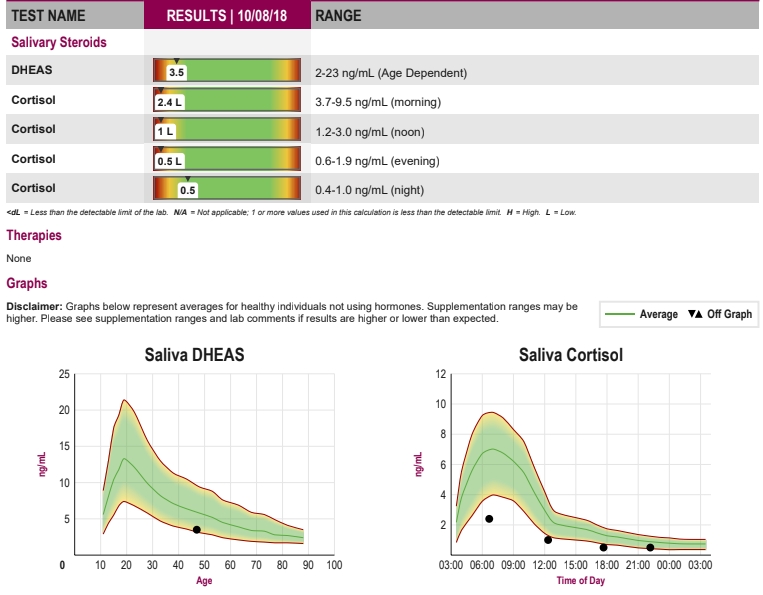
Saliva tests measure free (bioavailable) cortisol, which is the active form of cortisol available to your cells. This makes it incredibly effective for uncovering adrenal dysfunction that traditional labs often miss.
The result? A graph showing your full cortisol curve—revealing whether you’re in the sweet spot, running too high, too low, or completely flatlined.
2. 24-Hour Urine Testing
This method gives an in-depth view of total cortisol output over a 24-hour period. Unlike saliva, which focuses on rhythm and bioavailability, urine testing assesses both free and metabolized cortisol.
This is especially helpful for cases where people feel burned out but still have high total cortisol, meaning their body is producing cortisol but not clearing it properly—a red flag for liver congestion, metabolic issues, or toxicity.

The 24-hour urine panel can also show other vital markers like:
- DHEA
- Melatonin
- Estrogen, progesterone, testosterone
- Organic acids (depending on the panel)
At Recreated Health, we use both of these tools to get a complete picture of your adrenal function and hormone health.
Foundational Approach to Adrenal Recovery
Once you have your test results, you will better understand HOW to specifically support your adrenal glands and stress hormones naturally, without synthetic hormones or suppressive medications. And this will likely be the most comprehensive and specific picture of your hormones you’ve ever had.Here’s how you do it:
Drainage and Detox Support
Before you go straight to hormone support, you will want to start by preparing a solid foundation. Therefore, start by supporting your drainage pathways—making sure your liver, lymph, colon, and kidneys are open and working well.
It’s important to understand that the health and balance of your gut microbiome, your liver, pancreas, and immune system play an integral role in the balance of your adrenal glands, cortisol, and other hormones. This lays the foundation for hormonal balance and helps your hormones move appropriately throughout the body.
Here is how you can improve drainage and detox: Start by reducing any IBS symptoms such as constipation or diarrhea. Support your GI tract with digestive enzymes, stomach and bile acid support, as well as herbs that calm and rebuild the intestinal lining. Below is a list of top herbs from functional doctors across the country that help to heal the digestive tract and increase drainage pathways for optimal hormone support:
Herbal Adaptogens
Once you have supported your GI tract and drainage pathways, you can support your adrenal glands more effectively with adaptogens. Use plant-based adaptogens like ashwagandha, Rhodiola, Schisandra, holy basil, and licorice root to support your adrenal glands, where they’re at—whether they’re underactive or overactive. This is an excellent way to protect not only your adrenals but also your entire body from burnout by keeping your cortisol and other hormone levels in a calm state throughout any season of life.
Mitochondrial and Energy Support
Your adrenal glands require a tremendous amount of cellular energy. We use mitochondrial support to help your body restore vitality, naturally.
Nutrient Replenishment
We focus on key nutrients like vitamin C, magnesium, B vitamins, and electrolytes—all critical for adrenal resilience.
*A great product that addresses both mitochondrial and energy support, as well as nutrient replenishment, is Core Nutrients (Cellcore).
Lifestyle & Nervous System Regulation
Additional FREE activities you can use to support the reduction of stress, adrenal and cortisol imbalance, as well as gut and immune system health include nervous system regulation tools—like breathwork, grounding, and restorative sleep—to align your body with its natural rhythm. It’s amazing how just a few minutes per day of breathwork, grounding, and getting consistent sleep each night, can have a profound impact on keeping your body in a state of “rest and digest,” vs “fight or flight.”
Real Healing Starts with Real Data
You deserve answers. You deserve clarity. And most of all—you deserve to feel vibrant, resilient, and fully alive in your body. It’s time to start living and feeling good again!
Testing your cortisol rhythm can be one of the most insightful steps you can take on your healing journey. It’s not about labeling your body as broken—it’s about giving your body the support it deserves.
Ready to Find Out What Your Body is Really Saying?
If you’ve been spinning your wheels with no results? Consistently eating healthy and working out, with no results? This might be the root issue you’ve been missing.
Order your hormone testing kit and get started on your transformation today. You can also schedule a consultation with Recreated Health to work with Dr. Shawn who will guide you on the best testing for your concerns to find and eliminate your root cause!
Let’s uncover your adrenal function. Let’s get to the root. Let’s Recreate Your Health.
Visit https://www.recreatedhealth.com/pages/become-a-patient to get started today!