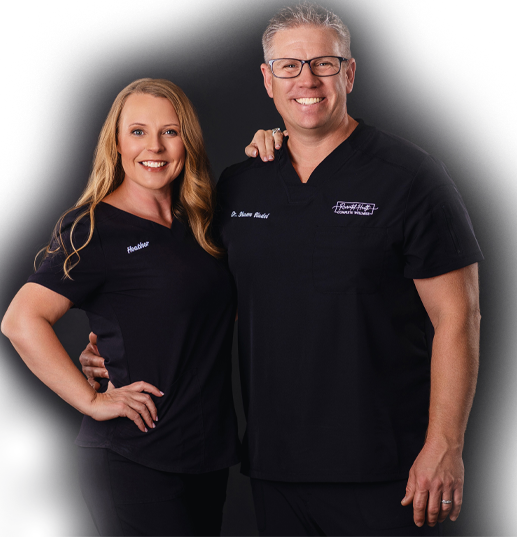



By Dr. Shawn Bladel
Ulcerative Colitis: Root Causes & Natural Healing
By Dr. Shawn Bladel | September 7, 2025 | Recreated Health
Ulcerative colitis (UC) is more than a digestive issue — it can be a daily battle that affects every part of life. Many patients live with unpredictable flare-ups, painful symptoms, and the stress of never knowing when the next wave will hit. While conventional medicine often focuses on medications to suppress inflammation, long-term healing requires looking deeper.
At Recreated Health, we believe that by uncovering the root causes of inflammation and restoring balance in the gut, immune system, and lifestyle, you can calm flare-ups, extend remission, and reclaim your energy.
What is Ulcerative Colitis?
Ulcerative colitis is a chronic inflammatory bowel disease that affects the colon and rectum. The immune system attacks the inner lining of the colon, leading to inflammation and ulceration.
Common symptoms include:
- Persistent diarrhea, often with blood or mucus
- Abdominal cramping and pain
- Urgency or difficulty with bowel movements
- Fatigue and low energy
- Unintended weight loss
- Anemia from chronic blood loss
These symptoms may flare up unpredictably, then calm down for weeks or months, only to return again. For many, the cycle of remission and relapse is exhausting both physically and emotionally.
Medications such as corticosteroids and immune-suppressing drugs can be necessary during flares, but they rarely address the deeper question: Why is the immune system attacking the colon in the first place?
Root Causes of Ulcerative Colitis
Ulcerative colitis does not come from one single cause — it is the result of a combination of factors. Here are some of the biggest contributors:
1. Diet and Food Triggers
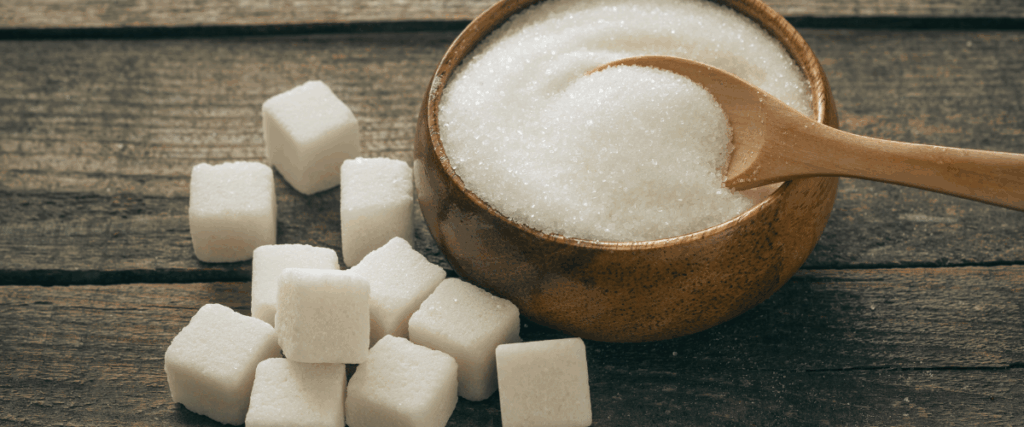
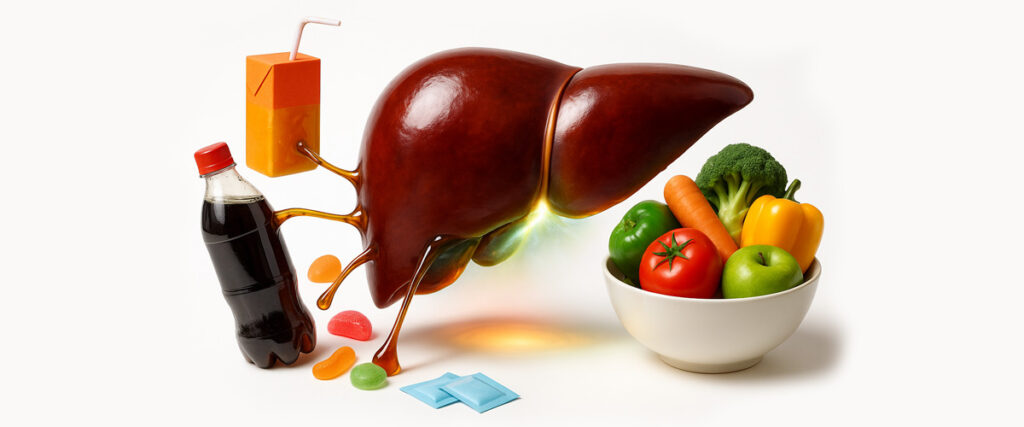
Modern diets heavy in processed foods, refined sugar, and inflammatory oils put enormous stress on the gut. This can lead to:
- Increased intestinal permeability (“leaky gut”)
- Imbalances in the gut microbiome
- Chronic inflammation that fuels flare-ups
Foods such as gluten, dairy, and refined grains can be powerful triggers for many with UC. Identifying and removing these from the diet often brings immediate relief.
2. Stress and Lifestyle
Stress isn’t just emotional — it has biological effects. Chronic stress raises cortisol and other stress hormones, which disrupt digestion, immune function, and gut motility. Many people notice their flare-ups coincide with times of high stress, poor sleep, or exhaustion.
3. Genetics
Genetics may increase the likelihood of developing UC, but they do not determine your future. Having a predisposition only means your body is more sensitive to triggers. Lifestyle, diet, and environmental factors often decide whether genes are “switched on.”
4. Immune Imbalances
At its core, UC is an immune system problem. The body mistakenly attacks the lining of the colon. This overreaction is often linked to:
- Gut dysbiosis (imbalanced bacteria)
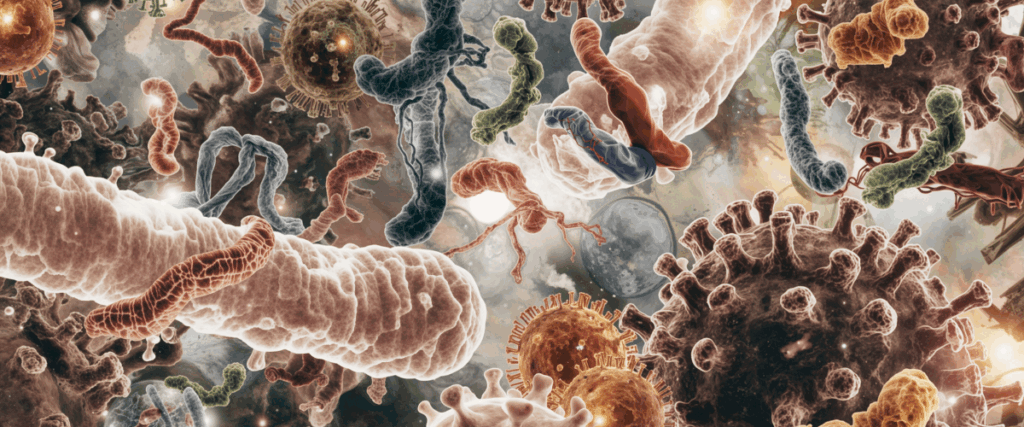
- Chronic infections (bacterial, viral, or parasitic)
- Toxin overload from food, water, or environment
When we address these imbalances, we often see symptoms calm down and remission last longer.
Natural Healing Approaches
At Recreated Health, we treat the whole person, not just the disease label. Healing UC naturally means calming the immune system, supporting the gut lining, and reducing inflammatory triggers.
1. Nutrition That Heals the Gut
An anti-inflammatory diet is foundational.
- Eliminate triggers: gluten, dairy, processed oils, and refined sugars.
- Add healing foods: bone broth, cooked vegetables, wild-caught fish, leafy greens, and gentle fermented foods (as tolerated).
- Plant fiber carefully: during remission, psyllium husk (a gentle fiber) has been shown in clinical studies to help maintain remission, even working as well as mesalamine in some cases [8][9]. Avoid fiber during active severe flares.
- Curcumin (from turmeric): multiple clinical studies show curcumin, especially when combined with mesalamine, can help bring people into remission and keep them there [10][11].
- Aloe vera juice: one study showed aloe vera was more effective than placebo in calming active UC [12].
- Omega-3 fatty acids: while they are anti-inflammatory, research shows they are not always effective in maintaining UC remission. They can be supportive but are not a primary therapy [13][14].
2. Restore the Microbiome
- Probiotics:
- E. coli Nissle 1917 has been shown in studies to be as effective as mesalamine for maintaining remission [15].
- Multi-strain probiotics (like the original VSL#3 formulation) have been helpful for both induction and maintenance of remission, especially in children [16][17].
- Prebiotics: can help feed good bacteria, but need to be introduced carefully.
3. Repair the Gut Lining & Correct Deficiencies
- L-glutamine and zinc (GI Revive) help strengthen the intestinal barrier.
- Vitamin D deficiency is very common in UC and linked to worse disease activity. Supplementing to reach healthy levels is essential [6][7].
- Antioxidants such as curcumin and green tea can reduce oxidative stress.
4. Calm the Nervous System
Healing can’t happen if the body is stuck in fight-or-flight mode. Breathwork, meditation, yoga, gentle movement, and prioritizing quality sleep all reduce stress-related flare triggers.
5. Detoxification Support
Supporting the body’s natural detox pathways can reduce the toxic burden that worsens immune reactivity. This includes:
- Staying hydrated with mineral-rich water
- Bitter herbs like dandelion, artichoke, and burdock root
- Castor oil packs over the liver
- Light sweating (sauna, gentle exercise)
Monitoring Your Progress
Doctors often measure inflammation in UC with colonoscopy or lab tests. But now there are home stool tests that measure fecal calprotectin, a marker of intestinal inflammation. These allow patients to track inflammation levels at home and catch flares early [18][19][20][21].
Other helpful labs include:
- C-reactive protein (CRP) for systemic inflammation
- Iron studies for anemia
- Vitamin D and zinc levels
How Functional Medicine Complements Conventional Care
- During flares: medications like mesalamine, steroids, or biologics may be needed to stop severe inflammation quickly.
- Between flares: functional medicine strategies — diet, stress management, supplements, gut healing — help extend remission, reduce flare frequency, and improve quality of life.
Supplement & Product Recommendations
At Recreated Health, we don’t believe in “one pill for one symptom.” Healing ulcerative colitis requires strategy, personalization, and monitoring. Supplements and lifestyle tools are powerful when used in the right order, at the right time, and with ongoing testing to track progress.
Step 1: Initial Testing (Find Your Root Causes)
Before starting a protocol, we recommend comprehensive baseline testing to understand the underlying drivers of UC:
- Blood work:
- Vitamin D
- Iron, ferritin, and complete blood count (for anemia)
- Zinc, magnesium, and B12
- C-reactive protein (CRP) and ESR for inflammation markers
- Stool testing:
- Fecal calprotectin (inflammation marker)
- Gut microbiome analysis (dysbiosis, infections, parasites, yeast overgrowth)
- Additional functional tests (if needed):
- Organic Acids Test (OAT) → looks at microbial imbalances, mitochondria, and detox pathways
- Mycotoxin test → identifies mold exposure that worsens immune activity
- Food sensitivity testing → helps uncover triggers beyond gluten, dairy, and sugar
📅 Retesting:
- Fecal calprotectin: every 8–12 weeks to monitor inflammation trends
- Blood markers: every 3–6 months to track nutrient status and systemic inflammation
- Gut microbiome: yearly, or sooner if symptoms change significantly
Step 2: Core Supplementation (Foundation Phase – Months 1–3)
- CT-Minerals → daily trace mineral support for energy and hydration
- Vitamin D3 + K2 → correct deficiency, aim for blood level of 70+ ng/mL
- Curcumin (high-bioavailability) → reduce inflammation (often combined with mesalamine for better results)
- Digestive enzymes & bitters → take with meals to reduce bloating, cramping, and improve absorption
- Probiotics → choose a strain-specific formula:
- E. coli Nissle 1917 if available
- Or high-potency multi-strain probiotics like VSL#3/De Simone formulation
Step 3: Gut Repair & Anti-Inflammatory Phase (Months 3–6)
- L-glutamine → rebuilds gut lining and helps seal leaky gut
- Zinc carnosine → supports intestinal tissue repair
- Aloe vera juice (short-term, mild active disease) → soothes intestinal lining
- Psyllium husk (if in remission) → improves stool form and promotes short-chain fatty acids (healing fuels for the colon)
Lifestyle focus:
- Introduce gentle detox (castor oil packs, sweating, binders if tolerated)
- Increase stress regulation practices (guided breathwork, meditation, yoga)
Step 4: Rotation & Long-Term Resilience (Months 6–12 and beyond)
Healing UC is about rotation, not dependency. Your body benefits from cycling through phases of focus:
Rotation Example:
- Month 1–2: Curcumin, probiotics, minerals, enzymes
- Month 3–4: Continue core, add L-glutamine + zinc for gut repair
- Month 5–6: Layer in aloe vera (short-term) and psyllium husk for remission stability
- Month 7–8: Emphasize detox support — bitters, binders (as tolerated), and castor oil packs
- Month 9–12: Focus on nervous system resilience — adaptogens (ashwagandha, holy basil), deeper sleep support, trauma release work
Repeat testing every 3–6 months to determine what to continue, pause, or rotate out.
Why This Matters
UC healing isn’t “take a few supplements and you’re good.” It’s a guided journey where testing, rotation, and lifestyle upgrades all work together to reduce flare-ups and build resilience.
That’s why working through a structured plan — like our Energy Fix Course, our detailed eBooks, or a 1:1 consultation — makes such a difference. It ensures you aren’t guessing, but following a proven roadmap designed for long-term healing.
Success Stories
- Sarah M.: “By changing my diet, adding curcumin, and tracking inflammation with home stool tests, I’ve been able to avoid steroids and feel like I have my life back.”
- Michael R.: “Working with Dr. Shawn to uncover food sensitivities, use probiotics, and manage stress has cut my flares in half.”
Conclusion
Ulcerative colitis can feel overwhelming, but it is not a life sentence. By addressing the root causes — diet, stress, immune imbalances, toxins, and gut health — you can reduce flare-ups, extend remission, and rebuild your health.
Start Your Healing Journey
- 📘 Parasite Detox Blueprint: Full Moon Edition (eBook) → Shop Now
- ⚡ The Energy Fix Course → Learn More
- 💬 Schedule a Consultation with Dr. Shawn Bladel → Book Here
Healing is possible — with the right tools and guidance, you can calm inflammation and restore balance.
References
- Li H, et al. Gut microbiota & metabolites in UC pathogenesis. Front Immunol/PMCID (review). PMC
- Guo M, et al. Pathological mechanisms & targeted drugs in UC. Front Pharmacol. 2023. PMC
- Tang X, et al. Immune dysregulation in UC (review). Front Cell Dev Biol. 2025. Frontiers
- ECCO Guidelines on Therapeutics in UC. 2022 update. Darmzentrum Bern
- Evidence-based management framework for UC (overview). Prz Gastroenterol. 2022. PMC
- Blanck S, et al. Vitamin D deficiency associated with higher UC activity. Dig Dis Sci. 2013. PubMed
- Elmoursi A, et al. Impact of vitamin D deficiency in UC (2024 abstract). Am J Gastroenterol. 2024. Lippincott Journals
- Fernández-Bañares F, et al. Psyllium as effective as mesalamine for maintenance (RCT). Am J Gastroenterol. 1999. PubMedScienceDirect
- Mechanistic rationale: psyllium → SCFA production (butyrate) noted in study discussion. ScienceDirect
- Lang A, et al. Curcumin + mesalamine induces remission (RCT). Clin Gastroenterol Hepatol. 2015. CGH Journal
- Kumar S, et al. Curcumin for maintenance with 5-ASA (systematic review/RCT). Cochrane/PMID 23076948. PubMed
- Langmead L, et al. Aloe vera gel improved clinical response in active UC (DB-RCT). Aliment Pharmacol Ther. 2004. Wiley Online LibraryPubMed
- Cochrane Review: Omega-3s for UC maintenance — no clear benefit. 2007 and updates. CochraneCochrane Library
- General anti-inflammatory properties of omega-3s (contextual). Cochrane Library summary. Cochrane Library
- Kruis W, et al. E. coli Nissle 1917 equals mesalazine for maintenance (RCT). Gut. 2004. PMCPubMed
- Miele E, et al. VSL#3 adjunct in pediatric UC induction/maintenance (RCT). Am J Gastroenterol. 2009. PubMed
- Bibiloni R, et al. VSL#3 induced remission/response in mild–moderate UC not responding to conventional therapy. Am J Gastroenterol. 2005. PubMed
- Heida A, et al. Agreement of home fecal calprotectin with lab measures. Clin Gastroenterol Hepatol. 2017. CGH Journal
- IBDoc® calprotectin home test (device information). IBDoc | Fecal Calprotectin Home Test
- Preventis SmarTest® calprotectin home test (device information). BIOHIT HealthCare Ltd
- PROMOTE-UC & other proactive FCP monitoring trials. ClinicalTrials.gov/CenterWatch & conference abstracts. CenterWatchOxford Academic