


By Dr. Shawn Bladel
Why Your Thyroid Won’t Heal: Uncovering the Hidden Root Causes
By Dr. Shawn Bladel | July 8, 2025 | Recreated Health
For many people struggling with thyroid issues—whether it’s hypothyroidism, Hashimoto’s, or fatigue and weight gain despite medication—there’s one frustrating reality: they’re doing all the right things, but they’re still not getting better. Lab work might look “normal,” but they may be taking synthetic thyroid hormone, and still feel exhausted, foggy, or emotionally off.
This feeling can be incredibly disheartening, but know there is hope for healing. This article will explain why you feel the way you do and what to do about it.
Healing the thyroid isn’t just about treating the thyroid directly. It’s about digging into the root causes that are quietly sabotaging your body’s ability to recover. In this article, we’ll break down the deeper reasons your thyroid might not be healing and how natural, functional medicine approaches can finally help you reclaim your energy, metabolism, and mood.
1. You’re Only Treating the Symptoms, Not the Root Cause
The standard medical model focuses on symptoms and lab ranges—usually TSH and maybe T4. If those are off, you’re handed a prescription for synthetic thyroid hormone (usually levothyroxine) and sent on your way. But for most people with thyroid issues, the thyroid is not the original problem.
Your thyroid becomes the victim of a deeper dysfunction.
In fact, your thyroid issues are often secondary to:
- Chronic gut imbalances
- Heavy metal toxicity
- Mold exposure
- Autoimmune dysfunction
- Chronic infections like Epstein-Barr or Lyme
- Liver congestion and sluggish detox pathways
If you don’t address what’s attacking or suppressing your thyroid in the first place, you’re just covering up the problem—and your symptoms will keep coming back12.
2. Unaddressed Autoimmunity: Your Immune System is Attacking Your Thyroid
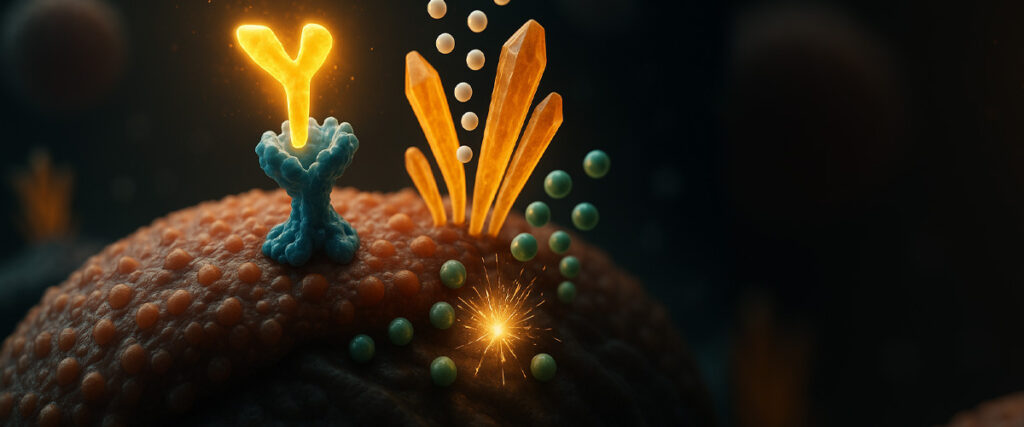
The most common cause of low thyroid in the U.S. isn’t a thyroid problem at all—it’s Hashimoto’s thyroiditis, an autoimmune condition where your immune system attacks your thyroid gland3.
This means your body is treating your thyroid as a threat.
Taking thyroid medication may help balance your hormone levels temporarily, but it does nothing to stop the immune attack that’s damaging the gland long term.
Key root causes of autoimmunity that must be addressed include:
- Leaky gut
- Food sensitivities (especially gluten and dairy)
- Hidden infections (such as EBV, H. pylori, parasites)
- Environmental toxins (like mold, glyphosate, plastics)
- Chronic stress or trauma
Autoimmunity is reversible—but not if you’re only managing thyroid numbers. At Recreated Health, we help you uncover and treat these root causes through advanced testing and protocols rooted in functional medicine4.
3. Gluten Sensitivity and Cross-Reactive Foods
Gluten is one of the most inflammatory substances for the thyroid—especially in those with Hashimoto’s. It mimics the thyroid gland, and when consumed regularly, it can confuse the immune system into attacking both gluten and your thyroid tissue—a phenomenon called molecular mimicry5.
But it doesn’t stop at gluten. Other cross-reactive foods like corn, dairy, oats, millet, and even coffee proteins can cause a similar immune reaction6.
Dr. Shawn strongly recommends 100% gluten elimination, as even trace amounts (like from cross-contamination) can drive the autoimmune response for months.
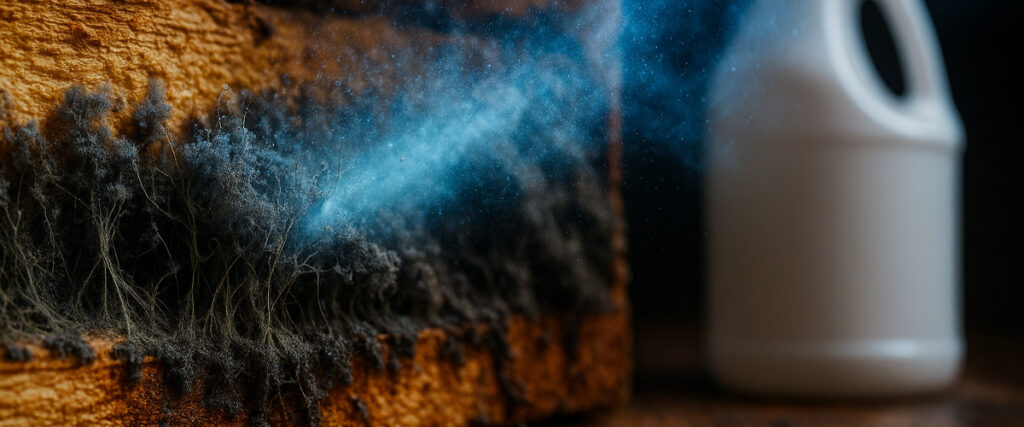
4. Mold Exposure and Mycotoxin Overload
Mold is one of the most underestimated root causes of thyroid dysfunction.
In patients who can’t seem to get better despite “doing everything right,” we often find hidden mold toxicity. Mold spores (and their toxic byproducts, called mycotoxins) can:
- Suppress the immune system
- Impair liver detoxification
- Interfere with hormone signaling
- Cause brain fog, fatigue, anxiety, and poor sleep
Mold exposure isn’t always obvious—it can come from:
- Old homes
- HVAC systems
- Water-damaged walls or ceilings
- Contaminated foods (like coffee, grains, and nuts)
If your thyroid isn’t healing, a mold detox protocol could be essential7.
5. Parasites and Gut Infections Are Blocking Healing
Your gut and your thyroid are intimately connected. In fact, 70% of your immune system lives in your gut, and that includes the immune cells involved in autoimmunity.
Parasites, candida, H. pylori, and other gut infections:
- Damage the gut lining (leading to leaky gut)
- Overactivate the immune system
- Disrupt nutrient absorption (especially selenium, zinc, and B12)
- Trigger chronic inflammation that suppresses thyroid function
Many people with Hashimoto’s or thyroid disease also experience bloating, constipation, skin issues, or food intolerances—all signs that gut health is compromised8.
6. Liver Congestion is Slowing Thyroid Hormone Conversion
Even if your thyroid is producing enough hormone, it needs to be converted from T4 (inactive) to T3 (active) to actually work. This conversion happens mostly in the liver.
If your liver is congested with toxins, sluggish from mold or poor bile flow, or overwhelmed by medication and poor diet, it won’t convert T4 to T3 efficiently. The result? You stay hypothyroid, even with “normal labs”9.
7. Adrenal Dysfunction is Throwing Off Thyroid Function
Your thyroid and adrenal glands work together. If you’re chronically stressed, stuck in fight-or-flight, or dealing with low cortisol levels, your body may downregulate thyroid function to conserve energy.
This is a survival mechanism—your body prioritizes stress over metabolism.
If you’re:
- Exhausted after minor tasks
- Craving salt or sugar
- Struggling to fall or stay asleep
- Gaining weight despite diet and exercise
You may have adrenal fatigue or dysfunction, and your thyroid won’t heal until it’s addressed10.
8. Mineral Deficiencies Are Sabotaging Your Hormones
Your thyroid relies on several key minerals to function properly:
- Iodine: Essential for hormone production, but must be balanced with selenium.
- Selenium: Protects the thyroid from oxidative damage and aids in hormone conversion.
- Zinc: Required for hormone synthesis and immune health.
- Magnesium: Supports enzyme activity and stress resilience.
Unfortunately, most people are severely deficient in these due to poor soil quality, gut absorption issues, and toxic burdens11.
9. You’re Detoxing Too Soon or Too Fast
One of the biggest mistakes we see in patients trying to heal naturally is starting detox protocols—like parasite cleanses or liver flushes—before drainage pathways are open.
This can overload the liver, kidneys, and lymph, leading to worsening symptoms.
We always start with foundational protocols that support:
- Bowel regularity
- Hydration and minerals
- Liver and bile flow
- Emotional and nervous system regulation
Only then do we layer in more advanced detox protocols, so your thyroid—and your whole body—can heal gently and effectively.
A Functional Medicine Path to Healing the Thyroid
If your thyroid hasn’t responded to medication, supplements, or conventional care, it’s not your fault. You’ve simply been missing the deeper “why.”
At Recreated Health, we specialize in:
- Advanced, functional testing to get to the root cause
- Customized detox and healing protocols
- Functional medicine approaches to autoimmunity and hormone repair
- Nervous system regulation to get you out of fight-or-flight and into healing
Whether your thyroid challenges stem from gut infections, mold, trauma, or nutrient imbalances, we can help you uncover the true barriers to healing—and walk with you step by step toward full recovery.
Take the First Step Toward Healing
If you’re tired of guessing and want to know exactly why your thyroid won’t heal, it’s time to find the deeper cause and get to foundations of healing.
Schedule your one-on-one consultation with Dr. Shawn at Recreated Health today!
Visit https://www.recreatedhealth.com/pages/become-a-patient
Call us at (618)-842-7424
References
- Taylor, P. N., et al. (2013). “Treatment of subclinical hypothyroidism.” BMJ, 345, e6223. https://www.bmj.com/content/345/bmj.e6223 ↩
- Sanyal, D., & Raychaudhuri, M. (2016). “Hypothyroidism and obesity: An intriguing link.” Indian Journal of Endocrinology and Metabolism, 20(4), 554–557. https://www.ncbi.nlm.nih.gov/pmc/articles/PMC4961073/ ↩
- Caturegli, P., et al. (2014). “Hashimoto thyroiditis: Clinical and diagnostic criteria.” Autoimmunity Reviews, 13(4-5), 391–397. https://www.ncbi.nlm.nih.gov/pmc/articles/PMC6770196/ ↩
- Fasano, A. (2012). “Leaky gut and autoimmune diseases.” Clinical Reviews in Allergy & Immunology, 42(1), 71–78. https://pubmed.ncbi.nlm.nih.gov/22109896/ ↩
- Hadjivassiliou, M., et al. (2002). “Gluten sensitivity: from gut to brain.” Lancet Neurology, 1(6), 304–312. https://doi.org/10.1016/S1474-4422(02)00164-6 ↩
- Vojdani, A., & Tarash, I. (2013). “Cross-reaction between gliadin and different food and tissue antigens.” Nutrients, 5(1), 77–91. https://www.ncbi.nlm.nih.gov/pmc/articles/PMC3546880/ ↩
- Straus, D. C. (2011). “Mold and mycotoxins: Effects on the neurological and immune systems in humans.” Advances in Applied Microbiology, 75, 99–118. https://pubmed.ncbi.nlm.nih.gov/21942330/ ↩
- Oppenheim, D. E., & Feldmann, M. (2022). “The gut-thyroid connection: Impacts of the microbiota on thyroid hormone metabolism.” Frontiers in Endocrinology, 13, 10037299. https://www.ncbi.nlm.nih.gov/pmc/articles/PMC10037299/ ↩
- Kohrle, J. (1999). “Local activation and inactivation of thyroid hormones: The deiodinase family.” Molecular and Cellular Endocrinology, 151(1–2), 103–119. ↩
- Figueroa-Vega, N., et al. (2010). “Stress and thyroid autoimmunity.” Endocrine, 38(3), 369–374. ↩
- Duntas, L. H. (2010). “Selenium and the thyroid: A close-knit connection.” Journal of Clinical Endocrinology & Metabolism, 95(12), 5180–5188.